- (385) 324-3870
- 756 South Redwood Road, Salt Lake City, UT 84104
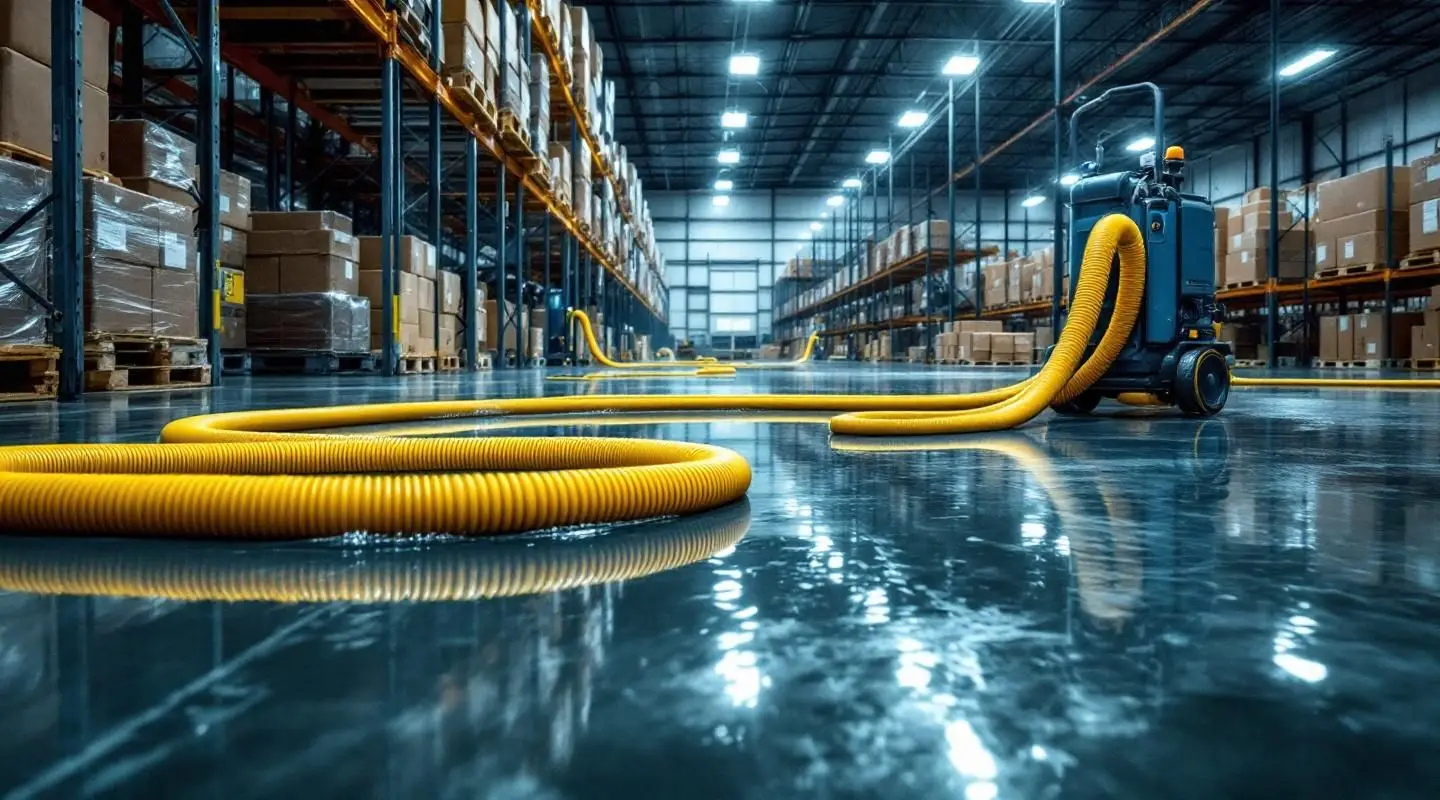
When a main line bursts or a roof drain fails in a Salt Lake City industrial park, the clock starts ticking against your inventory and your shipping schedule. Standing water on a commercial scale isn’t just a nuisance—it is a significant liability that threatens your structural integrity and your bottom line. You need a crew that understands the unique physics of ten thousand square feet of wet concrete and has the equipment to move thousands of gallons before the moisture migrates into your racking systems or office partitions.
Our approach to industrial water extraction focuses on rapid volume removal and precision moisture mapping. We do not just push water around with squeegees; we use high-capacity truck-mounted extractors to pull water out of your facility, specifically targeting expansion joints and low spots where liquid tends to pool. Because many Salt Lake warehouses are built on clay-heavy soils, trapped moisture under a concrete slab can lead to long-term slab heaving or mold growth if not addressed by experienced technicians who understand the local geography.
You are likely dealing with Category 2 water intrusion or worse if the flooding involves outdoor runoff from a Wasatch snowmelt event or a compromised fire suppression line. This level of contamination demands a structural drying protocol that meets IICRC S500 standards. We deploy industrial-grade desiccant dehumidifiers to aggressively drop the relative humidity in these massive open spaces, ensuring that your inventory—whether it is electronics, paper goods, or raw materials—is protected from the secondary effects of high ambient moisture.
Timing is everything for facility managers in the Salt Lake Valley. Every hour your loading docks are out of commission represents a break in your logistics chain. Our team works to establish containment barriers, often allowing you to keep operations running in dry sections of the building while we focus on the affected zones. We provide the detailed documentation and daily moisture logs your insurance adjuster requires, ensuring your procurement department has everything needed to justify the claim without unnecessary disputes.
When a pipe bursts or spring snowmelt floods your loading dock, the sheer volume of water can feel paralyzing. You aren’t just looking at a puddle; you’re looking at thousands of square feet of inventory risk and structural liability. Choosing a specialized warehouse water extraction service ensures that your facility returns to operational status before the moisture can migrate into your racking systems or compromise the integrity of your concrete subfloor. We use high-capacity truck-mounted extractors designed to pull thousands of gallons of standing water quickly, far outpacing the capabilities of standard shop-vacs or small portable units. In the Salt Lake City industrial corridors, where warehouses often sit on expansive clay soils, getting that water out immediately is critical to preventing long-term slab heave or moisture-related settling.
Our approach centers on a rigorous structural drying protocol that goes beyond what you can see on the surface. We use thermal imaging inspection and precision moisture mapping to identify exactly where the water has traveled—often finding it tucked behind containment barriers or under heavy machinery where it would otherwise sit and stagnate. By deploying industrial-grade desiccant dehumidifiers and strategic air mover placement, we pull deep-seated moisture out of the concrete itself. This is vital because a “dry” looking floor can still off-gas moisture for weeks, leading to mold growth or causing forklifts to lose traction on slick, damp surfaces. Our experienced technicians follow the IICRC S500 standard to ensure every gallon of Category 2 water intrusion is handled with the appropriate antimicrobial treatments and safety precautions.
RAPID VOLUME RECOVERY — High-flow industrial water extraction removes standing liquid from large footprints in hours rather than days.
PRECISION MOISTURE MAPPING — We use thermal imaging to find hidden pockets of water trapped under racking or inside wall cavities.
CONCRETE SLAB DRYING — Specialized desiccant dehumidifiers pull deep moisture from porous warehouse floors to prevent future mold and floor failures.
INVENTORY PROTECTION — Strategic containment barriers and phased drying allow you to keep unaffected zones operational while we work.
DOCUMENTED COMPLIANCE — Detailed moisture logs and drying reports provide the line-item evidence your insurance adjuster needs for claim approval.
When a pipe bursts or spring snowmelt floods your loading dock, time is your biggest enemy. In Salt Lake City, our team typically arrives within the hour because we know that standing water can migrate under heavy racking systems almost instantly. We deploy high-volume truck-mounted extractors to pull thousands of gallons of Category 2 water intrusion before it seeps into your inventory. Fast Warehouse Water Extraction prevents the concrete slab from absorbing moisture that eventually leads to white efflorescence or mold. You can’t afford to wait for a crew that only has residential-grade gear when your logistics chain is on the line.
We don’t just use wet-vacs. For a large-scale Warehouse Water Extraction in Salt Lake City, we use heavy-duty truck-mounted extractors that provide the vacuum pressure needed for massive square footage. Once the standing water is gone, we set up industrial desiccant dehumidifiers and strategic air mover placement to pull moisture from the air and the floor. This structural drying protocol is essential because concrete is porous. If you don’t use professional-grade moisture mapping to track progress, you risk trapped humidity causing rust on your equipment or structural issues with your mezzanine.
Yes, we handle the heavy lifting with your carrier. Our experienced technicians are trained to the IICRC S500 standard, which is exactly what adjusters look for when approving a claim. We provide full moisture mapping and daily drying logs so your procurement team has a clear, line-item scope of the Warehouse Water Extraction. This level of documentation is critical in Salt Lake City for proving that the building was returned to a pre-loss condition. We speak the language of adjusters, helping you avoid the disputes that often delay commercial payouts.
Total drying time usually ranges from three to seven days, depending on the volume of the release and the thickness of your slab. However, Warehouse Water Extraction doesn’t always mean a total shutdown. We often use containment barriers to isolate the affected zone, allowing your forklift operators to continue working in dry sections of the facility. By managing the airflow and using thermal imaging inspection, we ensure the moisture stays contained. This phased approach keeps your Salt Lake City operations moving while we focus on the structural drying protocol in the flood zone.
You can’t tell if a slab is dry just by looking at it. We use specialized penetrating moisture meters and thermal imaging to see what’s happening beneath the surface. In the Salt Lake Valley, warehouses built on expansive clay soils can be particularly tricky because they hold onto moisture longer than you’d expect. We follow the IICRC S500 standard for professional Warehouse Water Extraction to ensure we reach ‘dry goals’ verified by data, not guesswork. If you skip this step, you might find your floor coatings peeling or mold growing under pallets a month from now.
Don’t let standing water paralyze your operations. Contact Hal’s Water Damage Restoration immediately for rapid industrial water extraction that targets the source before it compromises your inventory. Every hour your facility sits with standing water on the concrete slab is an hour of lost productivity and mounting liability. Our crew understands that logistics and fleet operations in Salt Lake City can’t just stop because of a burst fire line or a flash flood.
We work around active shifts to avoid total shutdowns. We get to work fast. Whether the job is in the industrial corridors of the Salt Lake Valley or closer to the airport, our experienced technicians provide the moisture mapping and documentation insurance adjusters require. High-capacity truck-mounted extractors pull moisture out fast. This prevents the deep saturation that leads to long-term slab issues or mold growth under racking systems.
When your facility is taking on water, you don’t need a residential carpet cleaner with a shop-vac; you need a commercial partner with the horsepower to handle industrial-scale flooding. Hal’s Water Damage Restoration specializes in the unique logistics of Salt Lake City warehouses, from managing moisture in high-piled storage areas to drying out thick concrete slabs. We are locally owned and operated, which means we aren’t waiting for a corporate office to dispatch a team from out of state. Our experienced technicians are already on the ground in the Salt Lake Valley, ready to deploy truck-mounted extractors the moment a pipe bursts or snowmelt overwhelms your drainage.
What truly sets Hal’s Water Damage Restoration apart is our strict adherence to the IICRC S500 standard for professional restoration. We don’t just pull the standing water and leave. Our team uses thermal imaging inspection and moisture mapping to find the water trapped under racking systems and inside wall cavities that others often miss. Because we hold a valid Utah DOPL contractor license and maintain strict OSHA safety standards, you can trust that our presence on your site won’t create additional liability for your operations team. We provide the line-item documentation and daily drying logs that commercial insurance adjusters require, streamlining the claim process so you can focus on getting your logistics back on track.
Standing water in a warehouse is a massive liability that extends far beyond simple cleanup. In Salt Lake City, whether it’s a burst fire suppression line or rapid spring snowmelt from the Wasatch Range flooding your loading docks, every hour that water sits on your floor is an hour of lost productivity. You aren’t just dealing with a wet surface; you’re facing potential inventory loss and a significant slip-and-fall risk for your forklift operators. Our experienced technicians know that commercial spaces require a scale of response that standard residential equipment simply cannot match.
The real danger often hides within the concrete slab itself. Industrial concrete is porous, and without professional industrial water extraction, moisture can remain trapped for weeks. We use truck-mounted extractors to pull the bulk of the volume out quickly, but the job doesn’t stop there. We perform detailed moisture mapping and use thermal imaging inspection to find where water has migrated under your racking systems or into the expansion joints. If you ignore these hidden pockets, you’re inviting Category 2 water intrusion to turn into a mold nightmare that could eventually force a total facility shutdown in the areas we serve.
Following the IICRC S500 standard isn’t just about checking a box; it’s about protecting your bottom line and your insurance claim. When we set up a structural drying protocol, we aren’t just blowing air around. We use high-capacity desiccant dehumidifiers to pull grains of moisture from the air, preventing secondary damage to your sensitive electronics or cardboard-packaged inventory. Proper air mover placement is a science that ensures your warehouse floor drying happens fast enough to get your logistics back on schedule. We document every step with drying logs, providing the hard data your insurance adjuster needs to approve the scope of work without a fight.
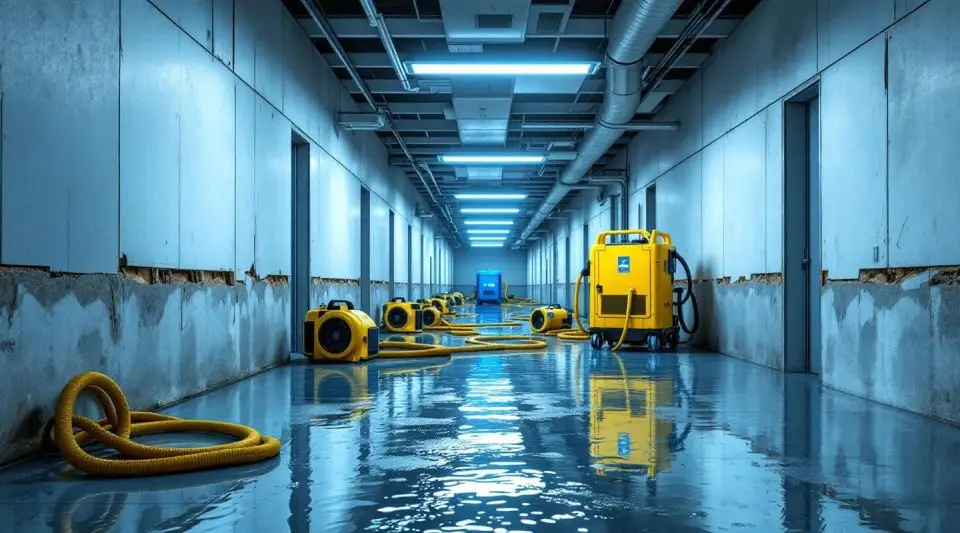
When a water main breaks in the Salt Lake City Central Business District or a flat roof fails during a heavy snowmelt, your priority is stopping the clock on business interruption.
Learn more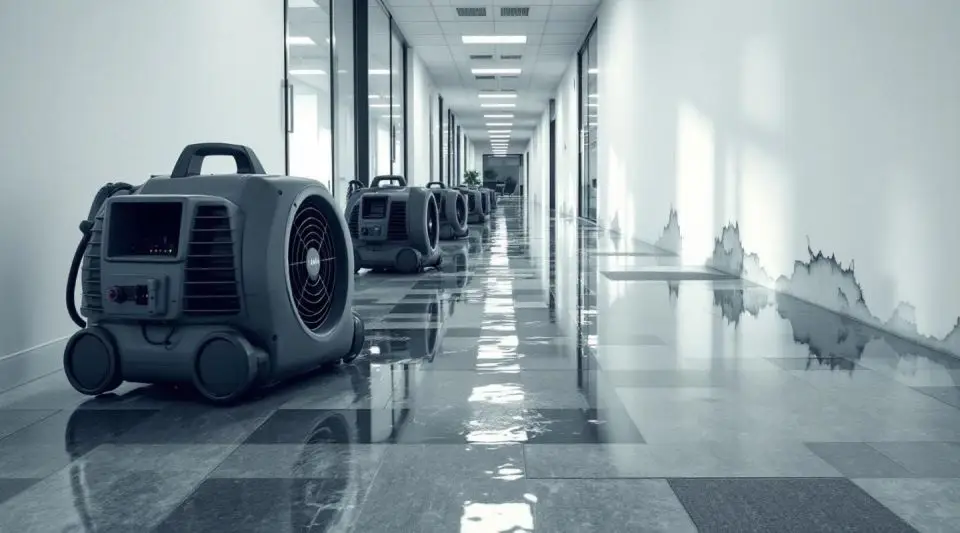
When a main supply line fails on the fourth floor of a Salt Lake City office complex, the clock doesn't just start ticking on the building materials—it starts ticking on your revenue.
Learn more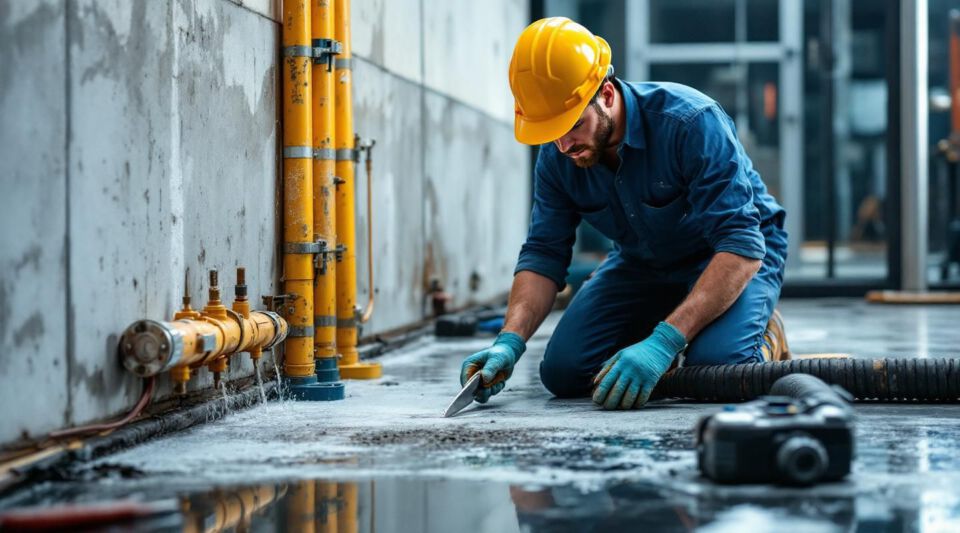
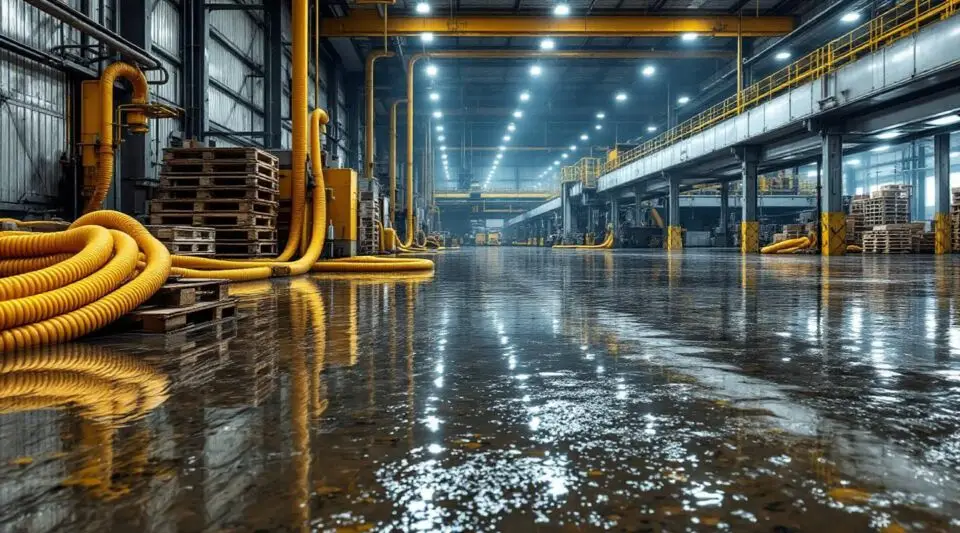
When a large-loss water event hits your facility, the clock doesn't just tick—it screams.
Learn more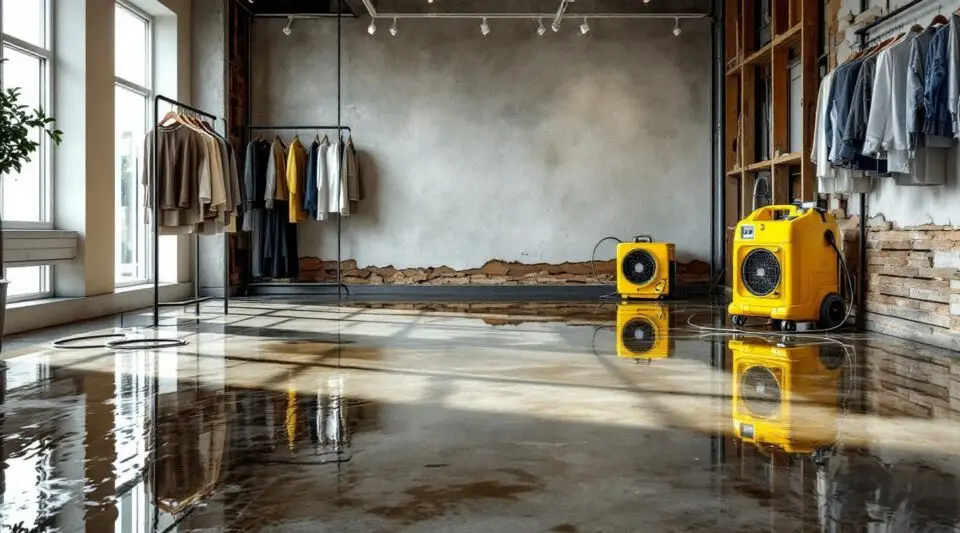
When a pipe bursts in the ceiling of your Salt Lake City boutique or a sudden spring snowmelt flood pushes through the front door, the clock starts ticking against your bottom line.
Learn more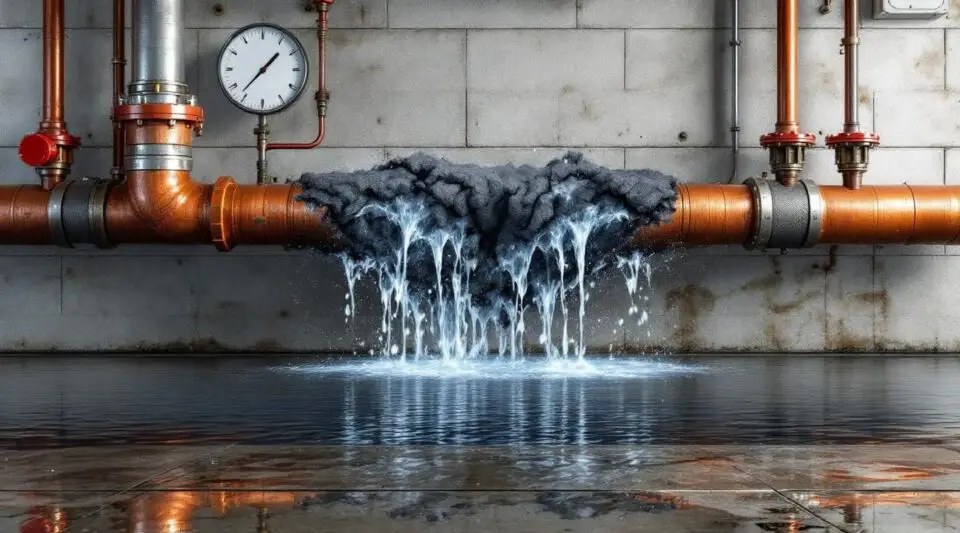
When a pressurized supply line failure occurs in a Salt Lake City office park or retail center, the sheer volume of water released is often staggering.
Learn more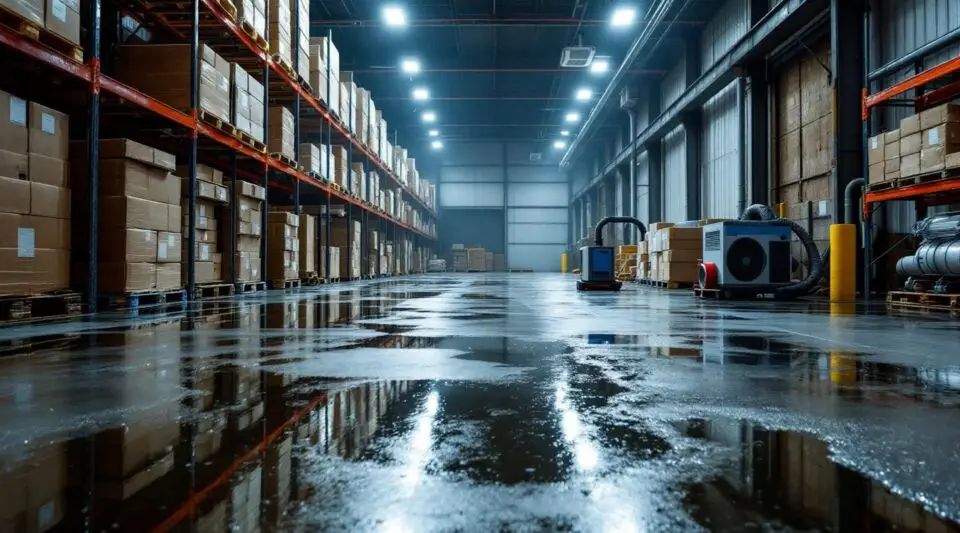
When a fire sprinkler malfunctions or the spring runoff from the Wasatch Front finds its way into your loading bay, the scale of the problem is immediately different from a residential leak.
Learn moreI saw water damage in my house after a huge storm, so I called Hal's Water Damage Restoration. The workers arrived very soon, looked at the damage, and started taking items away right away. They did a great job of drying out and fixing up my home. They did a great job, and they did it quickly and thoroughly. The communication was great; they always let me know what was going on. Prices were clear and fair. The staff was polite and knew a lot, which made a stressful situation much easier to handle. I'm quite happy with the service they gave me, and I will definitely use them again.
Gloria Johnson
As soon as the pipe broke, I phoned Hal's Water Damage Restoration. They came quickly and began to work straight away, stopping any future problems. I liked that they were honest about what they were doing and that they were constantly around to keep an eye on things. They took out the water quickly and completely and dried everything off. It was evident that they knew a lot about what they were doing. Everything went smoothly, even though there were a lot of people present. They made sure everything was dry again before they left. There were times when it was hard, but most of the time it was easy and safe.
Patricia Norman
We had water damage behind our walls and phoned this business for aid. Their people surveyed the area in depth, removed the damaged items and quickly commenced the process of structural drying. They also performed an excellent job describing the process of mold remediation. Great work and service.
Brenda Hosey
I didn't think the water from my washer would do as much harm as it did. The company I hired to fix the water damage got back to me straight away and started working right away. They employed sophisticated instruments to get rid of the water and put up systems to dry everything off. I loved that they didn't give up when things went wrong and had to adjust their plans. They also talked about how their process keeps mold from forming and other problems that last a long time. The workers didn't seem to be in a hurry, but they did work rapidly. Everything was dried and back to normal by the end.
Lee Brown
We had a flood in our basement one day after a storm and needed aid immediately. I called their 24 hour water cleanup service and they were there sooner than I expected. Our staff wasted no time getting to work on the flooded basement cleanup, and they pumped out every bit of standing water so quickly. They were very thorough with their water extraction service, and explained what the drying process would entail over the course of the next few days. They also walked us through the processes of fixing flood damage so we knew what to expect. The whole experience was really professional and organized and made what could have been a very stressful situation much easier to deal with.
Mary Nelson