Commercial Pipe Burst Repair in Salt Lake City Salt Lake City, UT
Professional Mitigation to Minimize Business Interruption and Structural Damage
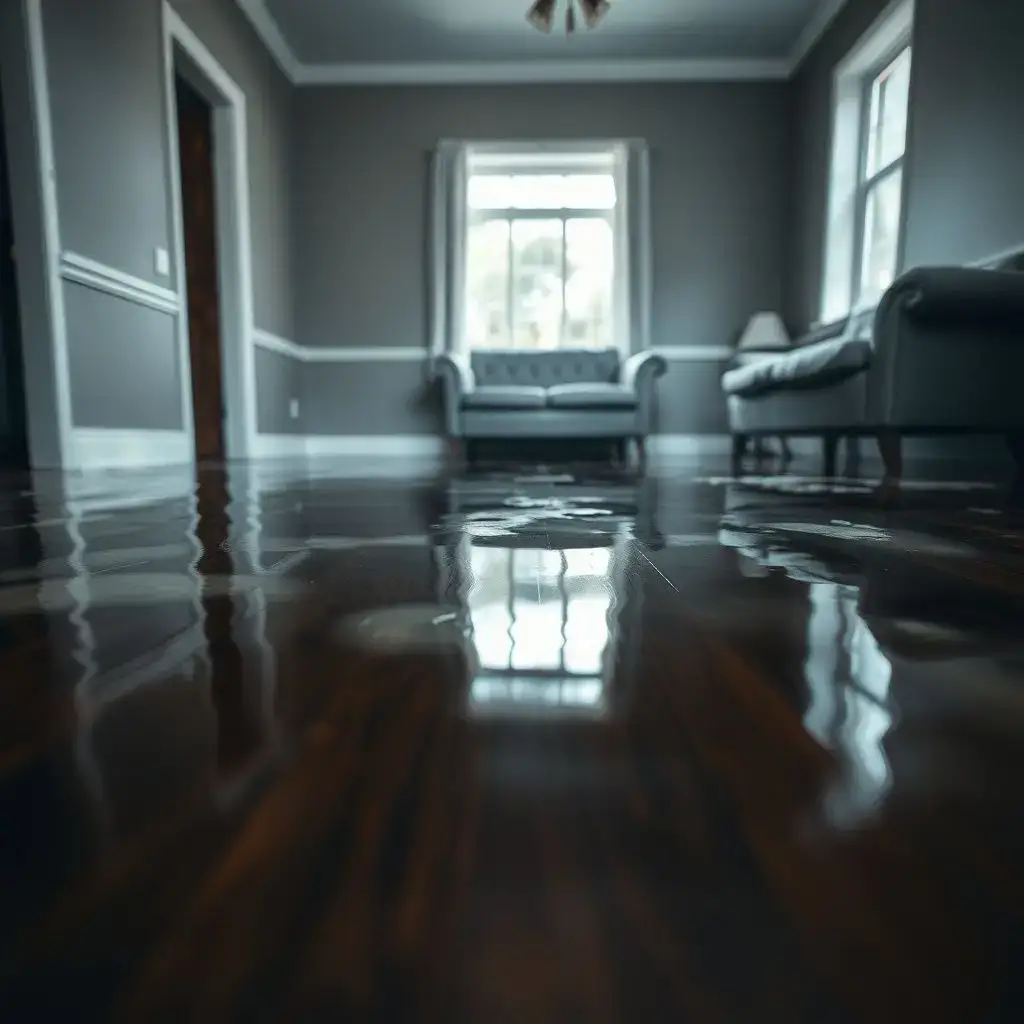
When a pressurized supply line failure occurs in a Salt Lake City office park or retail center, the sheer volume of water released is often staggering. This isn't a slow leak; it is a high-velocity intrusion that can saturate thousands of square feet of flooring and wick into wall cavities within minutes. You aren't just dealing with wet carpets; you are facing a Category 2 water loss that threatens your inventory, your electronics, and your ability to keep the doors open. At Hal's Water Damage Restoration, we understand that every hour of standing water increases the saturation depth in your subfloors and drywall, making immediate business interruption mitigation our highest priority.
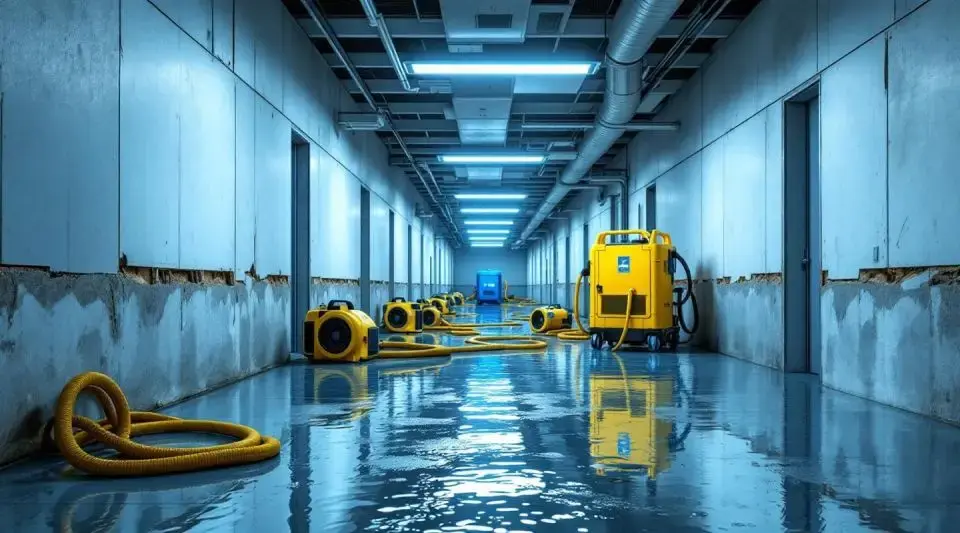
Our response focuses on aggressive commercial water extraction to pull the bulk of the moisture out before it can cause permanent structural warping. We don't guess where the water went; our experienced technicians use thermal imaging inspection and moisture mapping to track the exact path of the intrusion. This is critical in multi-story buildings along the Wasatch Front, where a burst on the third floor can easily migrate through floor assemblies and affect tenants below without showing immediate ceiling drips. By identifying these hidden pockets early, we prevent the secondary damage that often blindsides facility managers weeks after the initial event.
Following the IICRC S500 standard isn't just about technical precision; it is about providing the water loss documentation your insurance adjuster needs to process a claim without unnecessary friction. We handle the heavy lifting of commercial drywall removal and the deployment of structural drying equipment, including desiccant dehumidification for large-scale environments. Our crew coordinates directly with your facility manager to ensure the drying plan respects your operational needs, allowing you to maintain some level of business continuity while we stabilize the building.
Salt Lake City’s winter freezes often catch older commercial properties off guard, leading to catastrophic pipe burst water intrusion when uninsulated lines in exterior walls fail. Whether you are managing a warehouse in the valley or a boutique shop downtown, we provide the rapid response needed to stabilize the environment. We focus on getting your space back to pre-loss condition with a clear, line-item estimate that keeps your risk management team informed at every step of the process.
Our licensed operators handle commercial pipe burst repair in salt lake city with upfront pricing, fully insured equipment, and 24/7 availability throughout Salt Lake City, UT.
Commercial Pipe Burst Repair in Salt Lake City Salt Lake City, UT
Protecting Your Operations and Assets After a Major Leak
When a pressurized supply line failure occurs in a Salt Lake City office building or retail center, every minute of delay translates directly into deeper saturation of your building materials. The primary benefit of professional intervention is the aggressive mitigation of what we call a Category 2 water loss, where the volume and velocity of the leak can quickly overwhelm standard janitorial equipment. By deploying high-capacity commercial water extraction units immediately, we stop the migration of moisture into porous subfloors and wall cavities, which is the single most effective way to shorten your total drying timeline.
You also gain the advantage of a scientifically managed drying environment. We don't just blow air on the wet spots; our experienced technicians follow the IICRC S500 standard, using desiccant dehumidification to pull moisture out of dense materials like concrete and commercial-grade carpeting. This precision approach is vital for business interruption mitigation. We understand that you can’t afford weeks of downtime, so we focus on moisture mapping and thermal imaging inspection to identify exactly what is wet and what isn't, allowing us to set up containment zones that keep your operations running while we work.
Beyond the immediate cleanup, professional repair ensures your property remains a healthy environment for tenants and employees. Salt Lake City’s semi-arid climate can be deceptive, often drying the surface of a wall while leaving the interior studs damp enough to trigger mold growth. By using calibrated moisture sensors and documented drying logs, we provide the verifiable proof your insurance carrier requires to close a claim. This level of water loss documentation protects your liability and ensures that a simple pipe burst doesn't turn into a long-term structural or air quality headache.
-
Minimized Downtime — Strategic containment allows your business to remain operational in dry zones during restoration.
-
Accurate Documentation — Detailed moisture maps and Xactimate line-item estimates simplify the insurance claim process.
-
Hidden Moisture Detection — Thermal imaging identifies water trapped behind commercial drywall or under concrete slabs.
-
Certified Expertise — Work performed to IICRC S500 standards ensures the building is truly dry, not just surface-dry.
-
Structural Preservation — High-capacity desiccant dehumidifiers protect expensive architectural finishes from humidity damage.
Commercial Pipe Burst Repair in Salt Lake City Salt Lake City, UT
Why Salt Lake City Businesses Trust Hal's Water Damage Restoration for Commercial Pipe Burst Repair
Choosing a partner for Commercial Pipe Burst Repair in the Salt Lake valley requires more than just a plumber with a shop vac. At Hal's Water Damage Restoration, we specialize in the high-stakes environment of pressurized supply line failure, where every minute of delay translates into deeper subfloor saturation and mounting business interruption costs. Unlike national franchises that dispatch whoever is on the rotation, our experienced technicians are local experts who understand how Salt Lake City’s winter freezes impact mid-century commercial plumbing. We are a locally-owned and operated firm, meaning our reputation is built on the success of the businesses we serve right here along the Wasatch Front.
We distinguish ourselves through a rigorous adherence to the IICRC S500 standard for professional water damage restoration. When a Category 2 water loss occurs, we don't just pull up the carpet; we use moisture mapping and thermal imaging inspection to ensure that the structural drying equipment is placed exactly where it’s needed. Hal's Water Damage Restoration maintains full licensing through the Utah Division of Occupational and Professional Licensing (DOPL), ensuring that your facility remains compliant and your insurance claim is backed by professional documentation. We use Xactimate for all our estimating, providing the transparent, line-item detail that insurance adjusters require to process claims without unnecessary friction.
LOCALLY OWNED & OPERATED
Dispatchers and drivers who know your community.
GPS-TRACKED FLEET
Real-time ETAs and the closest available truck.
LICENSED PROFESSIONALS
Fully insured operators trained for safe recovery.
UPFRONT PRICING: Clear quotes before our truck rolls
no surprise fees.
Commercial Pipe Burst Repair in Salt Lake City Salt Lake City, UT
Common Questions About Commercial Pipe Burst Repair
Commercial Pipe Burst Repair in Salt Lake City Salt Lake City, UT
Why Rapid Commercial Pipe Burst Response Matters
A pressurized supply line failure in a commercial building isn't just a simple leak; it is a high-volume flood occurring at 60 PSI or higher. In Salt Lake City, where winter freezes frequently snap uninsulated pipes overnight, the sheer volume of water released can compromise the structural integrity of your building in just a few hours. If you are managing a multi-story office complex or a retail hub, that water migrates vertically and horizontally with incredible speed, soaking ceiling tiles and causing deep subfloor saturation on levels far below the initial break. Ignoring the full scope of this intrusion is a risk no property owner should take.
Beyond the visible standing water, the real danger lies in what is happening inside the building's skeleton. We use moisture mapping and thermal imaging inspection to pinpoint exactly where the water is hiding behind commercial drywall and under flooring. Without professional intervention following the IICRC S500 standard, a Category 2 water loss can quickly degrade into a mold liability that threatens the health of your tenants. For facility managers, this process is about more than just cleanup; it is about business interruption mitigation. Every hour your operations are halted represents lost revenue and potential lease disputes that could have been avoided with a faster response.
You might assume that a few standard fans and a shop vac can handle the mess, but commercial-grade desiccant dehumidification is often the only way to pull deep-seated moisture out of dense materials like concrete slabs or heavy timber. Our experienced technicians understand that the semi-arid climate in Salt Lake City can be deceptive, often masking deep saturation with a dry surface that leads to structural rot or floor buckling weeks later. We focus on providing the detailed water loss documentation and insurance adjuster coordination you need to ensure your claim is processed accurately and your building is returned to a pre-loss condition.
Acting quickly prevents the need for massive commercial drywall removal and more invasive structural repairs down the line. By stabilizing the indoor environment immediately, you protect the long-term valuation of the asset and ensure a safe, dry environment for your employees and customers. Professional restoration ensures that the moisture you can't see doesn't become a permanent problem for your business.
Our Services
Commercial Water Damage Restoration in Salt Lake City
When a water main breaks in the Salt Lake City Central Business District or a flat roof fails during a heavy snowmelt, your priority is stopping the clock on business interruption.
View Service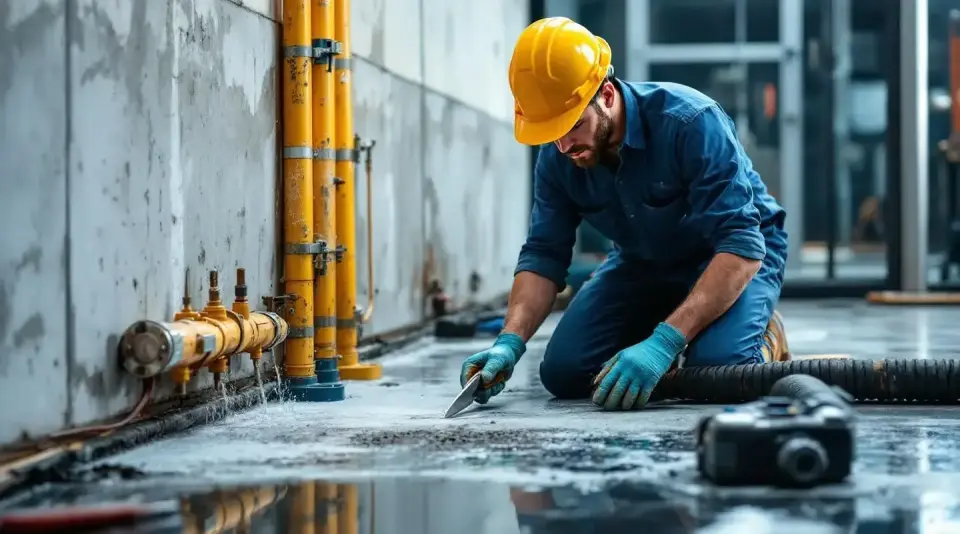
Hotel Water Damage Restoration in Salt Lake City
Imagine a pipe burst on the fourth floor at 2 AM.
View Service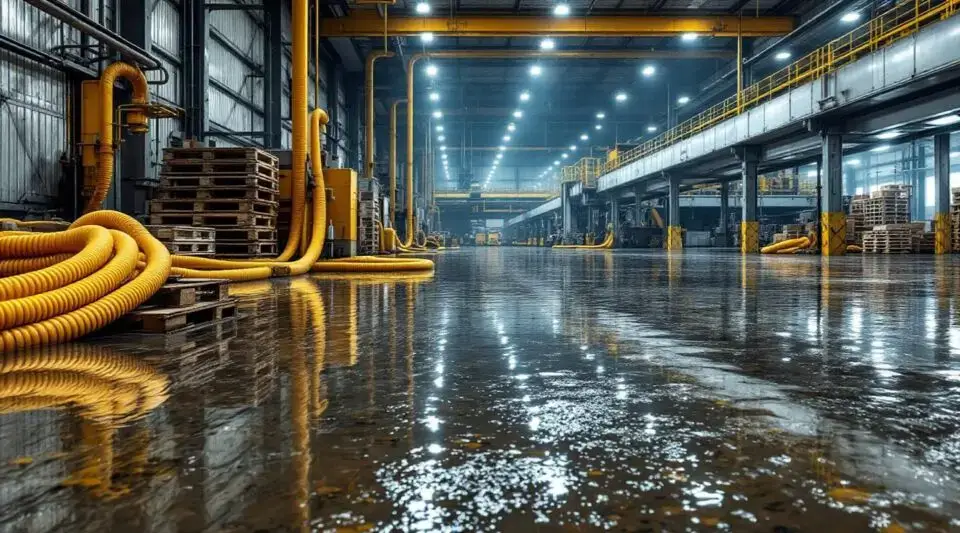
Industrial Flood Cleanup & Large-Loss Water Extraction
When a large-loss water event hits your facility, the clock doesn't just tick—it screams.
View Service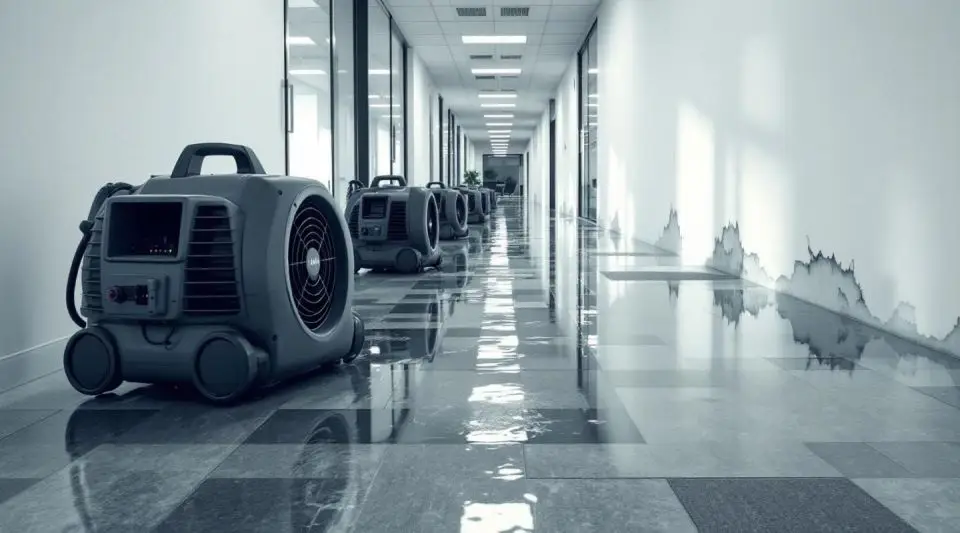
Office Building Flood Repair in Salt Lake City
When a main supply line fails on the fourth floor of a Salt Lake City office complex, the clock doesn't just start ticking on the building materials—it starts ticking on your revenue.
View Service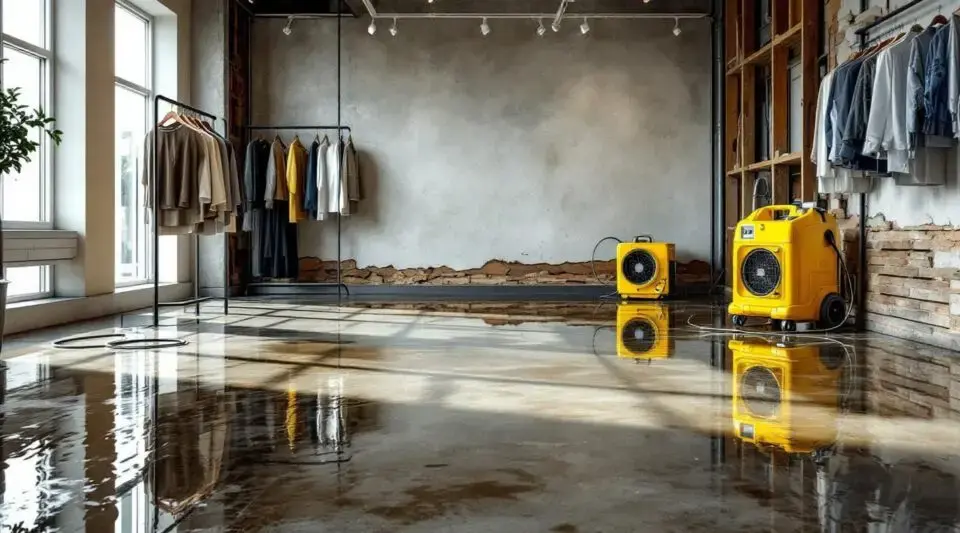
Retail Store Flood Recovery & Water Extraction
When a pipe bursts in the ceiling of your Salt Lake City boutique or a sudden spring snowmelt flood pushes through the front door, the clock starts ticking against your bottom line.
View Service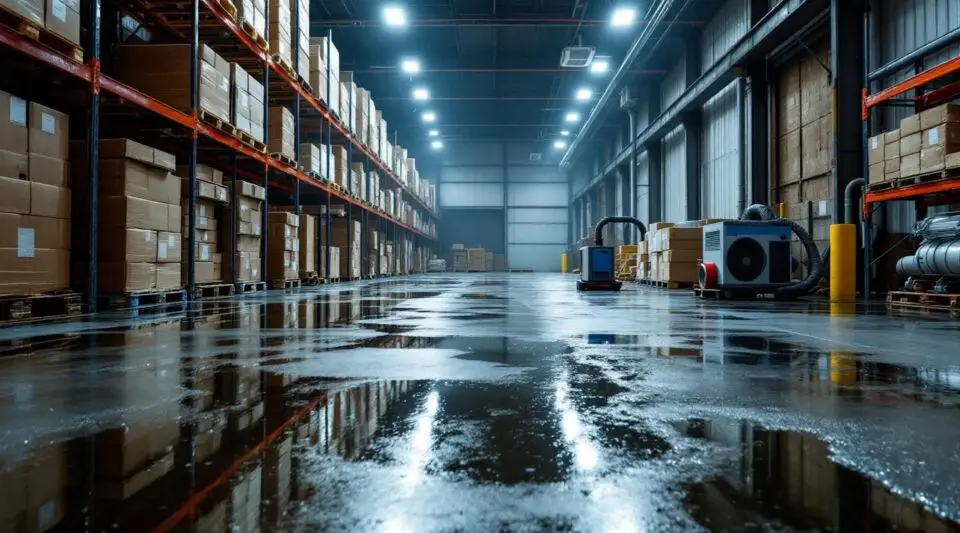
Warehouse Water Damage Cleanup & Structural Drying
When a fire sprinkler malfunctions or the spring runoff from the Wasatch Front finds its way into your loading bay, the scale of the problem is immediately different from a residential leak.
View Service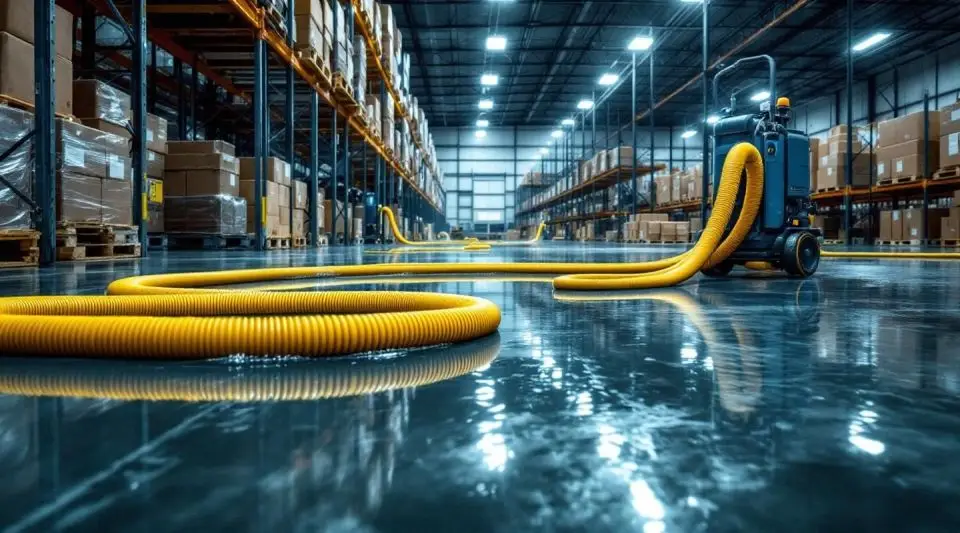
Warehouse Water Extraction in Salt Lake City
When a main line bursts or a roof drain fails in a Salt Lake City industrial park, the clock starts ticking against your inventory and your shipping schedule.
View ServiceLet’s Get Your Operations Back on Track
Every hour that a pressurized supply line failure goes unaddressed is an hour of revenue lost to business interruption. We understand that facility managers in Salt Lake City need more than just a mop; you need a documented recovery plan that satisfies your insurance adjuster and protects your tenants from long-term secondary damage. Our experienced technicians are ready to deploy high-capacity commercial water extraction equipment immediately to stabilize your property and prevent the structural degradation that follows a major burst.
Don’t let a plumbing failure dictate your building's schedule or your company's bottom line. Whether you are dealing with a frozen line in the middle of a Wasatch Front winter or a sudden mechanical failure in a high-rise, we provide the moisture mapping and IICRC-standard drying required to get you back to business. Call us now to dispatch a crew for a full assessment and immediate containment.
What They Say About Us:
After a storm flooded our basement, the team arrived quickly to handle the commercial pipe burst repair and water extraction. Their organized approach made a stressful situation much easier to manage while they thoroughly dried out the space.
Mary
Professional Commercial Pipe Burst Repair Near Liberty ParkThey used advanced equipment to address the water damage and were very flexible when the project required adjustments. The crew worked rapidly to ensure everything was back to normal while focusing on long-term mold prevention.
Lee
Expert Commercial Pipe Burst Repair and Drying in Sugar HouseThe technicians arrived promptly after the storm to begin the restoration process and provided clear, fair pricing. Their excellent communication and professional expertise made the entire experience smooth and stress-free.
Gloria
Thorough Commercial Pipe Burst Repair for Salt Lake City PropertyWhen our pipe broke, they responded immediately to prevent further issues and stayed on-site to monitor the drying progress. The entire team was knowledgeable and ensured that every corner of the property was completely dry before finishing.
Patricia
Reliable Commercial Pipe Burst Repair Near Temple Square AreaThe crew performed a detailed survey of the water damage behind our walls and immediately started the structural drying process. They did an excellent job explaining the remediation steps and provided high-quality service throughout the project.
Brenda
Structural Drying and Commercial Pipe Burst Repair in The Avenues