Residential Flood Restoration in Salt Lake City Salt Lake City, UT
Professional Water Extraction and Structural Drying to Protect Your Home
When water intrudes into your Salt Lake City home, the clock starts ticking against your property's structural integrity. Whether it’s a sudden spring snowmelt flooding your basement or a burst pipe in the upstairs bathroom, the immediate priority is stopping the spread. We don't just suck up the standing water and leave; we look for the secondary water damage that hides in wall cavities and subfloors. You need a team that understands how the Salt Lake Valley’s unique climate affects drying times and material stability.
Our approach follows the rigorous IICRC S500 standard to ensure every square inch of your living space is properly mitigated. We begin with a comprehensive thermal imaging inspection to identify moisture pathways that the naked eye simply cannot see. By using advanced moisture mapping, our experienced technicians can track exactly how far the saturation has traveled through your drywall and insulation. This isn't about guesswork; it’s about using psychrometric readings to prove the environment is returning to a safe, dry state.
Dealing with category 3 water, such as sewage contamination from aging Salt Lake sewer laterals, requires more than just a mop and bucket. It demands controlled demolition of unsalvageable materials and a heavy-duty antimicrobial treatment to prevent microbial growth. We strategically use air mover placement and industrial-grade desiccant dehumidifiers to pull deep-seated moisture out of hardwood floors and subfloor saturation. This aggressive drying protocol is designed to save your home's original materials whenever possible, reducing the total cost and duration of the restoration.
You are likely feeling overwhelmed by the mess and the looming insurance claim. We help bridge that gap by providing the detailed documentation, including moisture content readings and drying logs, that adjusters require to process your claim fairly. From vapor barrier replacement in a damp crawl space to full-scale basement flood cleanup, we handle the technical heavy lifting so you can focus on getting your family’s life back to normal.
Our licensed operators handle residential flood restoration in salt lake city with upfront pricing, fully insured equipment, and 24/7 availability throughout Salt Lake City, UT.
Residential Flood Restoration in Salt Lake City Salt Lake City, UT
Scientific Drying to Protect Your Property and Health
When your basement or living room is under water, the primary benefit of professional help isn't just the extraction; it's the precision of the recovery. We use our crew to perform detailed moisture mapping that goes far beyond what you can see with the naked eye. By using thermal imaging inspection, we identify exactly where moisture has migrated behind baseboards or into wall cavities. In Salt Lake City, where spring snowmelt can quickly saturate a foundation, knowing the difference between a dry surface and a dry subfloor is what prevents your home from becoming a breeding ground for mold just a few weeks later.
Following the IICRC S500 standard ensures that every step of the restoration is handled with scientific accuracy rather than guesswork. This is particularly vital when dealing with category 3 water or sewage contamination, where health risks are high. We don't just set up fans and hope for the best. We manage the environment using a desiccant dehumidifier and strategic air mover placement to pull moisture out of dense materials like hardwood or structural studs. This aggressive approach to structural drying stops secondary water damage in its tracks, protecting your drywall and cabinetry from the warping and rot that often follows a major flood event.
-
ACCURATE MOISTURE TRACKING — We use thermal imaging and moisture content readings to find hidden pockets of water that cause long-term structural rot.
-
MOLD PREVENTION — By maintaining specific psychrometric readings, we create an environment where mold spores cannot colonize and spread through your home.
-
STRUCTURAL INTEGRITY — Professional drying prevents subfloor saturation and the swelling of framing members, keeping your home’s skeleton strong and stable.
-
INSURANCE COMPLIANCE — Our detailed drying logs and documentation provide the evidence your adjuster needs to process your claim without unnecessary friction.
-
HEALTHY AIR QUALITY — We apply professional antimicrobial treatments to sanitized surfaces, ensuring your family isn't breathing in pathogens left behind by floodwater.
Residential Flood Restoration in Salt Lake City Salt Lake City, UT
Why Salt Lake City Homeowners Trust Hal's Water Damage Restoration for Residential Flood Restoration
Choosing a partner to handle a flooded basement or a burst pipe in the Salt Lake Valley is about more than just finding someone with a truck and a vacuum. At Hal's Water Damage Restoration, we are a locally owned and operated team that understands the specific challenges of Utah’s climate, from the heavy spring snowmelt off the Wasatch Front to the aging sewer laterals in our historic neighborhoods. Unlike national chains that apply a one-size-fits-all approach, our experienced technicians are deeply familiar with local building codes and the high-desert drying conditions that allow us to save materials others might simply throw away.
We differentiate ourselves through technical precision and absolute transparency. Every project we undertake follows the IICRC S500 standard, ensuring that your home isn't just dry on the surface, but truly remediated at a structural level. Hal's Water Damage Restoration uses detailed moisture mapping and psychrometric readings to prove the job is done right, providing you with a complete drying log for your records and your insurance company. We don't believe in aggressive demolition unless it is strictly necessary, saving you the headache of extensive reconstruction and keeping your restoration costs manageable while protecting your property from secondary damage.
LOCALLY OWNED & OPERATED
Dispatchers and drivers who know your community.
GPS-TRACKED FLEET
Real-time ETAs and the closest available truck.
LICENSED PROFESSIONALS
Fully insured operators trained for safe recovery.
UPFRONT PRICING: Clear quotes before our truck rolls
no surprise fees.
Residential Flood Restoration in Salt Lake City Salt Lake City, UT
Common Questions About Flood Recovery
Residential Flood Restoration in Salt Lake City Salt Lake City, UT
The Critical Nature of Rapid Flood Response
In Salt Lake City, a basement flood from spring snowmelt or a burst pipe in the dead of winter isn't just a wet floor; it's a ticking clock for your home’s structural integrity. You might think a few shop vacs and open windows will do the trick, but moisture mapping often reveals that the real trouble is hidden. Water wicks up drywall and settles into the subfloor saturation points that you simply cannot see or feel. Without a professional thermal imaging inspection, you are essentially guessing where the moisture ends. If that water stays trapped behind your baseboards for more than 48 hours, you aren't just dealing with a mess—you’re inviting mold to take root in your wall cavities.
Following the IICRC S500 standard isn't about following red tape; it’s about ensuring your family is safe from category 3 water contaminants. When groundwater or sewage enters a living space, it brings pathogens that require more than just a mop. We use psychrometric readings to track exactly how much moisture is in the air and the materials, adjusting our air mover placement to ensure every corner reaches its dry goal. If you ignore these steps, the secondary water damage—like warped floorboards or crumbling plaster—can end up costing three times as much as the initial restoration. Our experienced technicians understand that every hour the subfloor remains damp is an hour the wood fibers are losing their strength.
Utah’s naturally low humidity is a great asset during the drying process, but it can also be deceptive. It makes the surface feel dry to the touch while the vapor barrier replacement is still desperately needed underneath. We often see homeowners in older Salt Lake neighborhoods assume the job is done, only to find a musty smell six months later because a desiccant dehumidifier wasn't used to pull deep-seated moisture from the framing. By performing controlled demolition only where absolutely necessary and applying a thorough antimicrobial treatment, we stop the rot before it starts. This proactive approach is what keeps a small flood from turning into a full-scale structural failure that could devalue your property.
Our Services
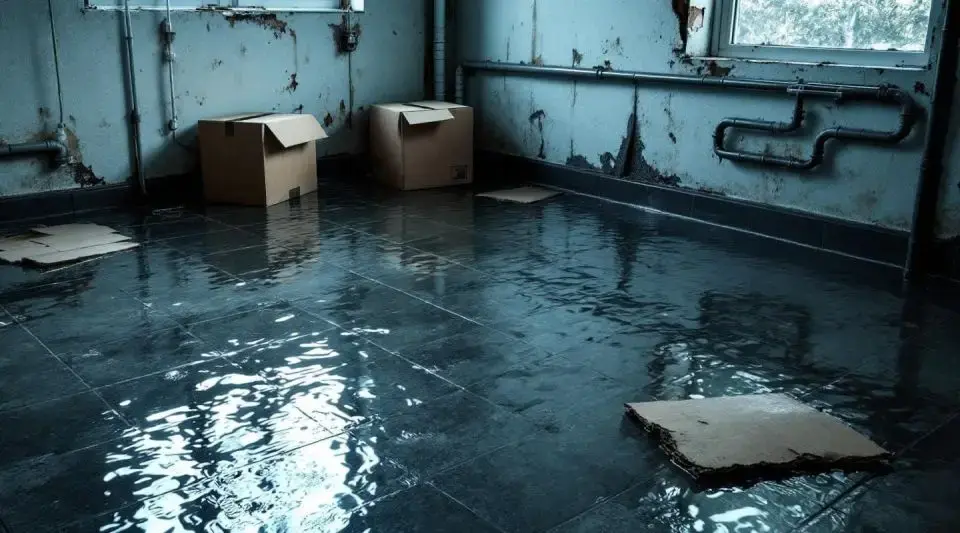
Basement Flood Cleanup in Salt Lake City
When the snowmelt from the Wasatch Range begins to saturate the clay-heavy soils of the Salt Lake Valley, your basement becomes the frontline in a battle against hydrostatic pressure.
View Service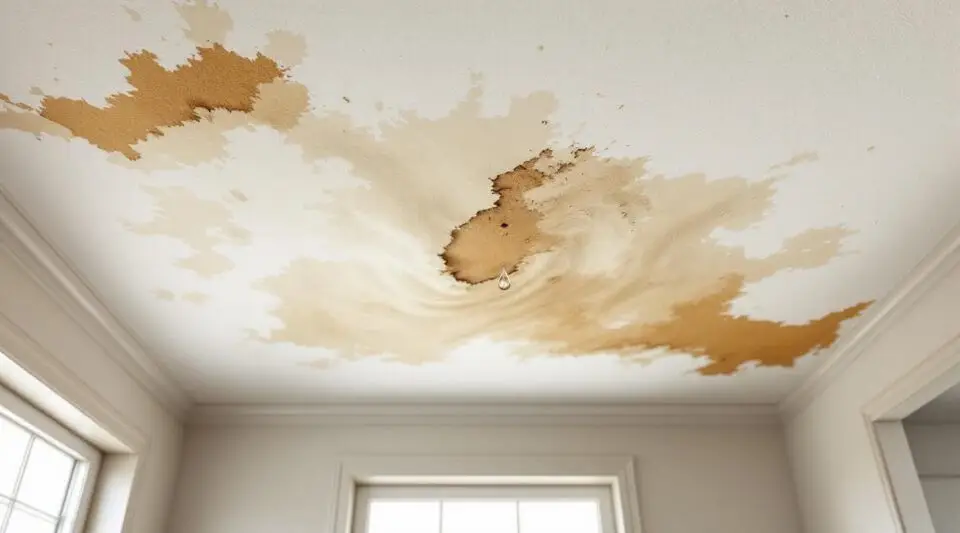
Ceiling Water Damage Repair in Salt Lake City
Seeing a dark, damp circle spread across your ceiling is a sinking feeling for any homeowner.
View Service
Emergency Burst Pipe Water Damage Restoration
When the temperature in the Salt Lake Valley drops below twenty degrees in the dead of winter, your home’s plumbing is under immense pressure.
View Service
Emergency Water Damage Repair in Salt Lake City
When a pipe bursts in the middle of a freezing January night in the Avenues, you don't have time to wait for a call back.
View Service
Home Water Removal & Emergency Extraction in Salt Lake City
Finding standing water in your Salt Lake City home is a race against the clock that nobody wants to run.
View Service
Kitchen Leak Damage Repair in Salt Lake City
A kitchen leak is never just a puddle on the linoleum.
View Service
Sewage Backup Cleanup in Salt Lake City
When a municipal sewer line fails or your main lateral line collapses, the resulting mess is more than just a nuisance; it is a health crisis.
View ServiceStop the Damage Before It Spreads Through Your Salt Lake City Home
Standing water doesn't just sit there; it actively migrates into your drywall, insulation, and subflooring, creating the perfect environment for mold and structural rot. If you're dealing with a burst pipe or a basement backup, our experienced technicians can start the extraction and drying process immediately to save your hardwood floors and cabinetry. We follow the IICRC S500 standard for every job, ensuring your property is returned to a pre-loss condition without unnecessary demolition.
Waiting even twelve hours can be the difference between a simple drying job and a full-scale reconstruction project. We provide the detailed moisture mapping and documentation your insurance adjuster needs to process your claim fairly. Reach out now to get a crew dispatched to your Salt Lake City neighborhood and protect your biggest investment from secondary water damage.
What They Say About Us:
The team arrived quickly at our home near Lindenwood Park to handle the basement flooding and coordinate directly with our insurance adjuster. They used professional drying equipment to ensure every corner was moisture-free and safe from potential mold growth.
Norma
Expert Residential Flood Restoration After Our Sump Pump FailureAfter discovering a hidden leak in our kitchen, these professionals handled the entire drying process with impressive speed and attention to detail. They made sure our home near West Acres was completely dry and free of mold before finishing the job.
Stacy
Professional Residential Flood Restoration for Kitchen Sink Leak CleanupThe crew reached our North Fargo residence within an hour of the pipe bursting to begin removing soaked carpets and treating the area. They were incredibly efficient and took the time to explain each step of the restoration process to us.
Susan
Efficient Residential Flood Restoration Following a Sudden Burst PipeWhen we noticed a musty smell in our basement, the staff quickly located the hidden mold and performed a complete cleanup. They were very respectful of our property and left the area near the Red River perfectly clean.
Tina
Thorough Mold Remediation and Residential Flood Restoration ServicesTheir restoration team responded immediately to our washing machine mishap and successfully prevented any mold from forming in our laundry room. The speed and skill they demonstrated while working on our South Fargo home really helped put our minds at ease.
Ida
Rapid Residential Flood Restoration for a Washing Machine Overflow