Industrial Flood Cleanup & Large-Loss Water Extraction Salt Lake City, UT
Minimizing Business Interruption with Large-Scale Water Extraction
When a large-loss water event hits your facility, the clock doesn't just tick—it screams. Whether it's a burst main in a West Valley warehouse or a flash flood overwhelming your loading dock drains after a heavy Wasatch Front storm, the volume of water is only half the problem. You are likely looking at thousands of square feet of subfloor saturation and potential business interruption that costs more per hour than the cleanup itself. In Salt Lake City, we see how quickly the semi-arid climate can be deceptive; while the air feels dry, the concrete slabs in industrial parks hold onto moisture like a sponge, requiring more than just a few fans to resolve the issue.
Our approach to Industrial Flood Cleanup starts with precision moisture mapping. We don't guess where the water went; we use thermal imaging and penetrating meters to track migration behind insulated metal panels and under heavy machinery. By taking daily psychrometric readings, we manage the "thirsty" air in your building to pull deep-seated moisture out of structural components. This isn't just about drying the surface; it’s about following the IICRC S500 standard to ensure your facility is actually dry, not just "dry enough" to look okay for a week before the mold starts to take hold in your wall cavities.
Handling contaminated floodwater—often classified as Category 3 water—requires a heavy-duty response that residential equipment simply cannot match. We deploy high-CFM commercial extraction units and industrial air movers that are designed to run 24/7 without fail. If your facility deals with food service or manufacturing, we establish containment barriers to prevent cross-contamination while we work. We understand that your procurement team needs a vendor who is licensed through the Utah Division of Occupational and Professional Licensing and can provide a clear, itemized scope of loss for your insurance adjuster.
You need a partner who understands that downtime is a contractual nightmare. Our experienced technicians prioritize stabilizing the environment first to protect your inventory and electronics. We work around your production shifts, often running crews overnight or through the weekend to ensure your fleet maintenance bays or server rooms are back online. We don't just use tools; we apply the right physics to get your doors back open. From the industrial corridors near the airport to the distribution hubs in South Salt Lake, we provide the structural drying logs and documentation required by commercial carriers and NFIP policies to keep your claim moving forward.
Our licensed operators handle industrial flood cleanup & large-loss water extraction with upfront pricing, fully insured equipment, and 24/7 availability throughout Salt Lake City, UT.
Industrial Flood Cleanup & Large-Loss Water Extraction Salt Lake City, UT
Protecting Your Operations and Infrastructure from Large-Loss Water Events
The primary benefit of professional industrial flood cleanup is the radical reduction in total downtime for your facility. When a large-loss water event strikes a warehouse or manufacturing plant in Salt Lake City, the clock starts ticking against your revenue. We don't just mop up; we implement business interruption mitigation strategies that keep your loading docks moving and your production lines safe. Whether it's spring snowmelt from the Wasatch Front or a sudden main break, you need a crew that understands how subfloor saturation can compromise heavy machinery and structural integrity.
Beyond the immediate water removal, our team uses moisture mapping and psychrometric readings to ensure your building is actually dry, not just dry to the touch. In the semi-arid climate of Utah, we use high-capacity desiccant dehumidification to pull deep-seated moisture from thick concrete slabs and insulated metal panels. By following the IICRC S500 standard, we prevent the cascading claims that happen when water migrates into adjacent tenant spaces or triggers mold growth behind industrial containment barriers. You get a verifiable record of the drying process through our structural drying logs, providing the hard data your insurance adjuster requires.
Handling contaminated floodwater, especially category 3 water from storm drain backups, requires more than a shop vac. We use commercial extraction units and specialized PPE to sanitize your workspace, ensuring you meet Salt Lake City building codes for safe re-occupancy. If you are curious about our team and our specific commercial credentials, we provide our Utah DOPL license and proof of insurance before a single air mover is plugged in. This level of professional oversight protects your liability and ensures your facility remains a safe environment for your employees and clients.
-
Rapid Extraction — High-volume commercial extraction units remove standing water from large square footages in hours, not days.
-
Precision Drying — We use desiccant dehumidification to target moisture trapped in concrete and subfloors that standard fans cannot reach.
-
Contamination Control — Our crews manage category 3 water hazards with antimicrobial treatments to ensure your facility is biologically safe.
-
Insurance Support — We provide detailed scope of loss documentation and drying logs to streamline your commercial insurance claim process.
-
Structural Protection — Early moisture mapping prevents long-term warping of floors and corrosion of expensive industrial equipment.
Industrial Flood Cleanup & Large-Loss Water Extraction Salt Lake City, UT
Why pick Hal's Water Damage Restoration for Industrial Flood Cleanup
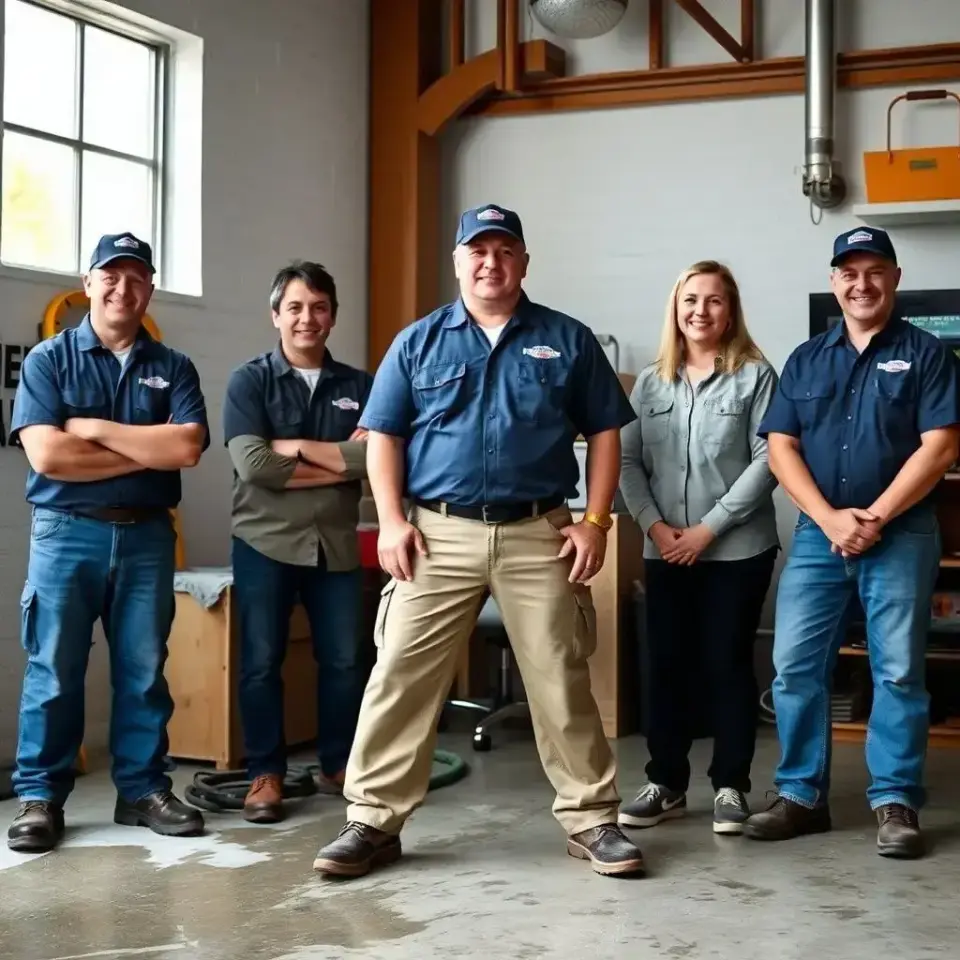
Choosing a partner for a large-loss water event requires more than just finding someone with a shop vac. Hal's Water Damage Restoration is a locally owned and operated firm that understands the unique challenges of the Salt Lake Valley, from the heavy clay soils that complicate drainage to the rapid spring snowmelt from the Wasatch Front. Unlike national franchises that dispatch whoever is available, our experienced technicians are full-time specialists who hold valid Utah Division of Occupational and Professional Licensing (DOPL) credentials. We don't just show up; we arrive with the specific intent of protecting your operational uptime through precision moisture mapping and documented drying protocols.
What truly sets Hal's Water Damage Restoration apart is our investment in industrial-grade infrastructure. We maintain a fleet of high-CFM commercial extraction units and desiccant dehumidification systems that most residential-focused shops simply don't carry. Our team follows the IICRC S500 standard for every project, providing you with daily psychrometric readings and structural drying logs. This level of transparency ensures that your facility isn't just dry on the surface, but truly stabilized to prevent secondary damage. We prioritize Salt Lake City commercial accounts with guaranteed response times, ensuring that your business interruption is measured in hours, not weeks.
LOCALLY OWNED & OPERATED
Dispatchers and drivers who know your community.
GPS-TRACKED FLEET
Real-time ETAs and the closest available truck.
LICENSED PROFESSIONALS
Fully insured operators trained for safe recovery.
UPFRONT PRICING: Clear quotes before our truck rolls
no surprise fees.
Industrial Flood Cleanup & Large-Loss Water Extraction Salt Lake City, UT
Common Questions About Industrial Flood Cleanup
Industrial Flood Cleanup & Large-Loss Water Extraction Salt Lake City, UT
Industrial Flood Cleanup Importance
Ignoring the full scope of an industrial flood is a recipe for catastrophic structural failure and prolonged business closure. In the Salt Lake Valley, where rapid spring snowmelt from the Wasatch Front can overwhelm municipal storm drains, a large-loss water event doesn't just wet the floors; it saturates the very bones of your facility. If you allow contaminated floodwater to sit, you aren't just dealing with a mess—you're inviting category 3 water hazards into your workspace. This level of intrusion requires more than a shop-vac; it demands professional-grade containment barriers and high-volume commercial extraction units to prevent the migration of pathogens into your inventory or sensitive machinery.
When you partner with experienced technicians, the focus shifts from reactive mopping to scientific stabilization. We use moisture mapping and daily psychrometric readings to track exactly how deep the saturation goes, especially in porous materials like concrete slabs and subfloor assemblies. Salt Lake City’s semi-arid climate actually helps us here, as the low ambient humidity allows our industrial air movers and desiccant dehumidification systems to pull moisture out of structural members faster than in more humid regions. Failing to document this progress with detailed structural drying logs can lead to "ghost moisture"—pockets of dampness that feel dry to the touch but eventually trigger mold growth behind your walls or under your flooring.
Beyond the physical building, the importance of professional cleanup lies in business interruption mitigation and liability protection. A facility manager who delays a response or hires an uncertified crew risks more than just a slow restart; they risk insurance claim denials. We follow the IICRC S500 standard to ensure every step of the recovery meets the rigorous requirements of commercial adjusters. By providing comprehensive scope of loss documentation from day one, we help you navigate the complexities of the National Flood Insurance Program (NFIP) or private commercial policies. In Utah, ensuring your contractor holds a valid DOPL license is a critical step in protecting your property’s long-term value and your company's operational future.
Our Services
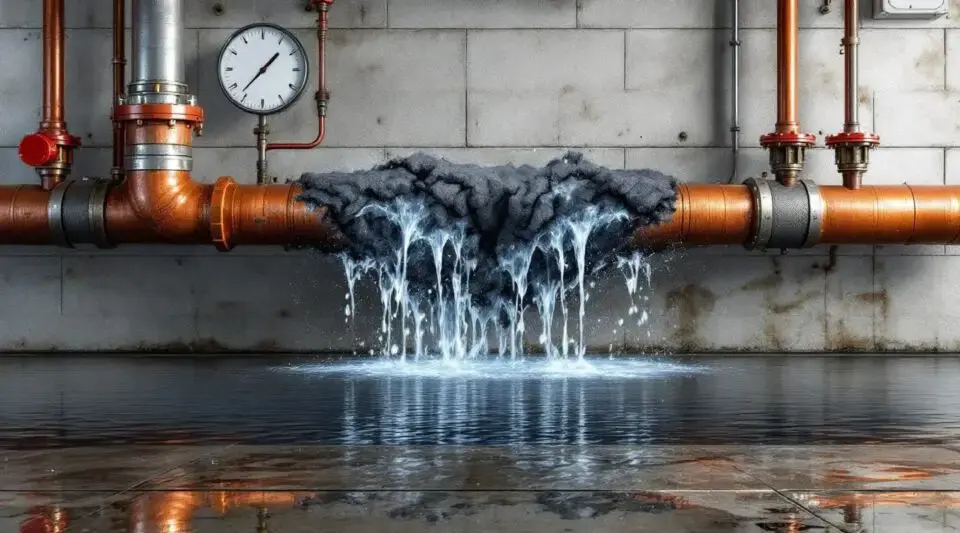
Commercial Pipe Burst Repair in Salt Lake City
When a pressurized supply line failure occurs in a Salt Lake City office park or retail center, the sheer volume of water released is often staggering.
View Service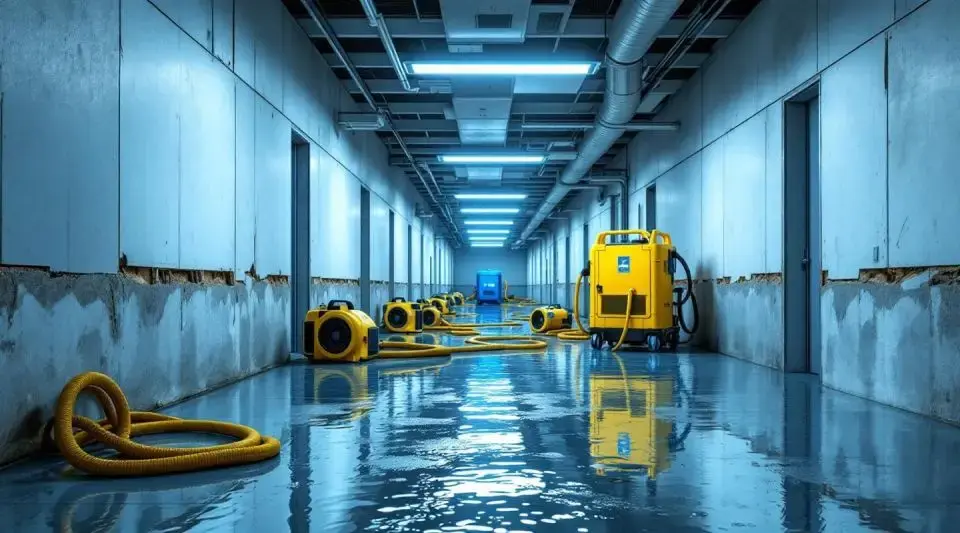
Commercial Water Damage Restoration in Salt Lake City
When a water main breaks in the Salt Lake City Central Business District or a flat roof fails during a heavy snowmelt, your priority is stopping the clock on business interruption.
View Service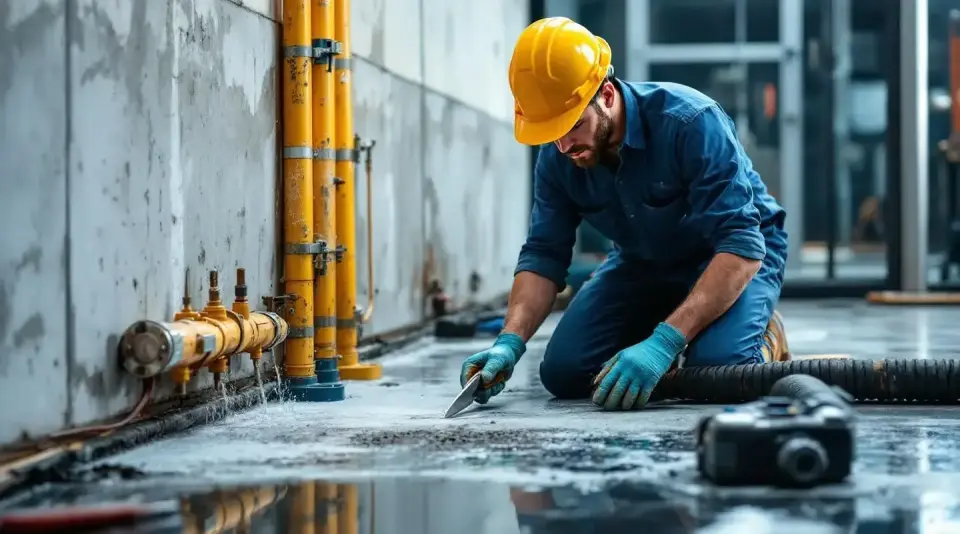
Hotel Water Damage Restoration in Salt Lake City
Imagine a pipe burst on the fourth floor at 2 AM.
View Service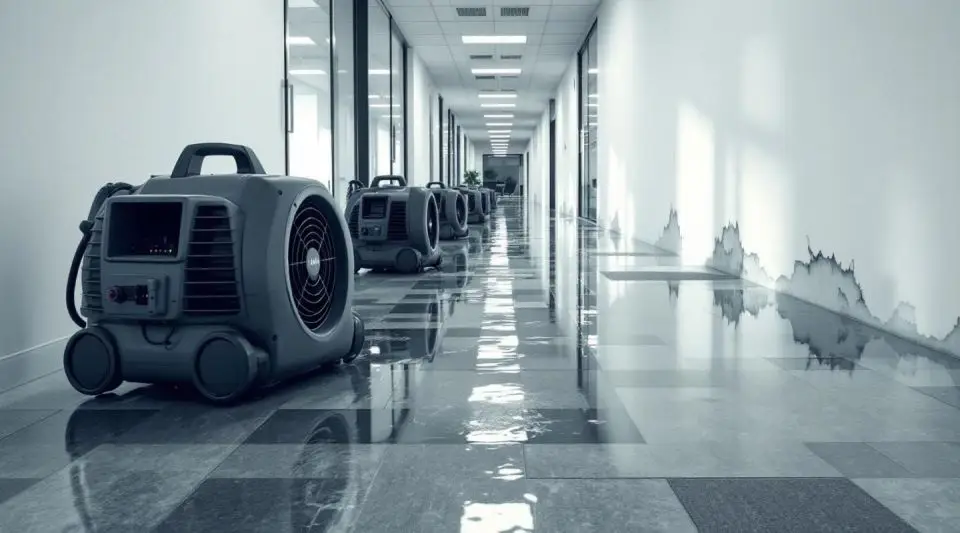
Office Building Flood Repair in Salt Lake City
When a main supply line fails on the fourth floor of a Salt Lake City office complex, the clock doesn't just start ticking on the building materials—it starts ticking on your revenue.
View Service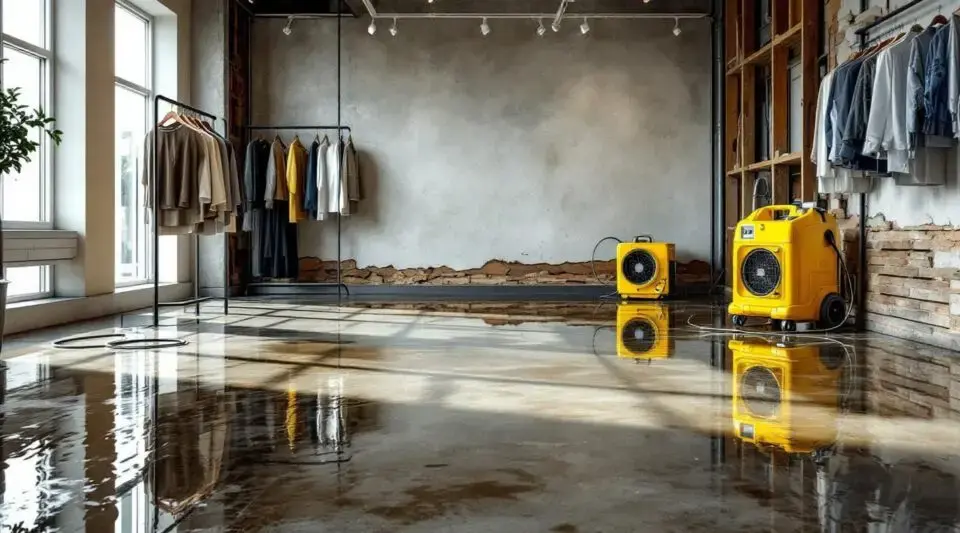
Retail Store Flood Recovery & Water Extraction
When a pipe bursts in the ceiling of your Salt Lake City boutique or a sudden spring snowmelt flood pushes through the front door, the clock starts ticking against your bottom line.
View Service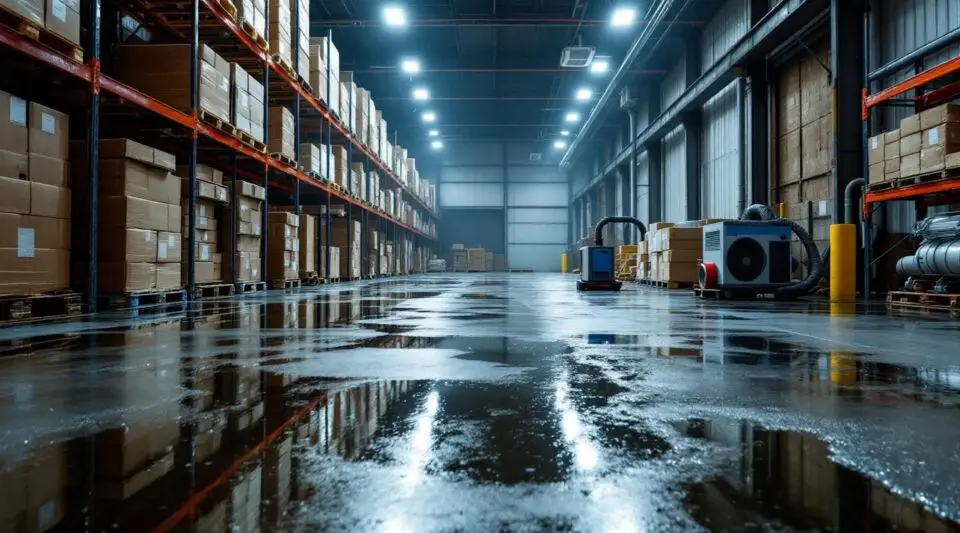
Warehouse Water Damage Cleanup & Structural Drying
When a fire sprinkler malfunctions or the spring runoff from the Wasatch Front finds its way into your loading bay, the scale of the problem is immediately different from a residential leak.
View Service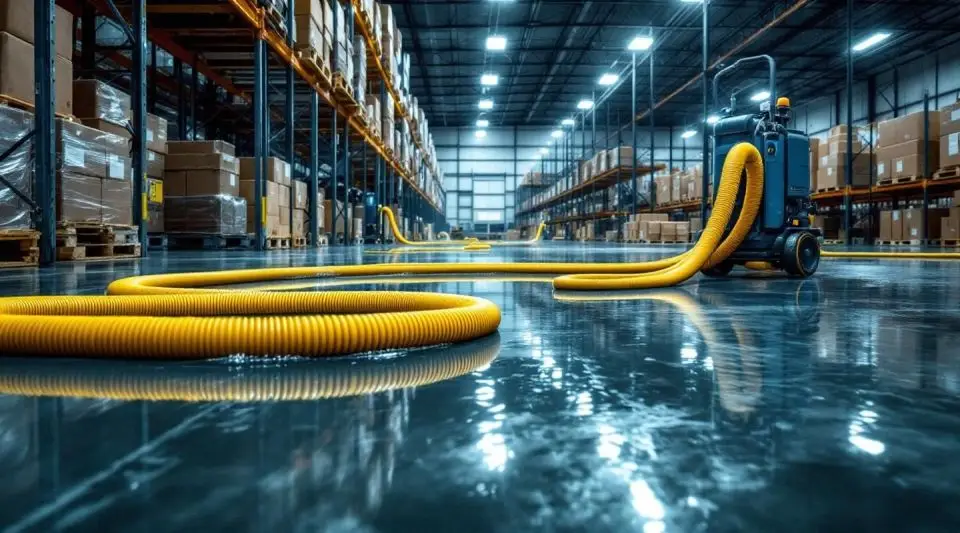
Warehouse Water Extraction in Salt Lake City
When a main line bursts or a roof drain fails in a Salt Lake City industrial park, the clock starts ticking against your inventory and your shipping schedule.
View ServiceGet Your Facility Back Online Without the Wait
Every hour your warehouse or office sits under water is an hour of lost revenue and mounting liability. Our crews specialize in business interruption mitigation, deploying high-capacity commercial extraction units and desiccant dehumidifiers to stabilize your environment before a large-loss water event turns into a total structural failure. We understand the pressure of Salt Lake City logistics and the need for speed when your loading docks or server rooms are compromised.
Don't let a flood dictate the future of your business. Our experienced technicians are standing by 24/7 to mobilize across the valley, providing the rigorous documentation and structural drying logs your insurance adjuster requires. Call us now to protect your assets and your bottom line.
What They Say About Us:
The team quickly identified mold behind our basement drywall and handled the entire remediation process with great care. They were incredibly polite throughout the project and left our home near the Osgood golf course spotless.
Tina
Professional Mold Removal and Industrial Flood Cleanup in OsgoodAfter a pipe burst in our basement near the Red River, these experts arrived within the hour to begin the drying and carpet removal process. They explained every step of the restoration clearly and worked efficiently to prevent any potential mold growth.
Susan
Rapid Industrial Flood Cleanup After a Burst Pipe EmergencyWhen our sump pump failed near West Acres, the crew arrived immediately to remove damaged items and extract standing water. They used industrial air movers to dry the area and even handled the communication with our insurance adjuster.
Norma
Comprehensive Industrial Flood Cleanup and Insurance Coordination ServicesThis responsive team managed a kitchen leak cleanup with total professionalism and ensured every surface was dry. They performed a detailed mold check near Woodhaven to give us peace of mind before finishing the job.
Stacy
Thorough Water Damage Restoration and Industrial Flood CleanupThe restoration specialists arrived quickly at our home near Island Park to extract water and repair the damage. Their impressive speed and technical skill in preventing mold growth helped me feel much more relaxed.
Ida
Fast Industrial Flood Cleanup Following a Washing Machine Overflow