
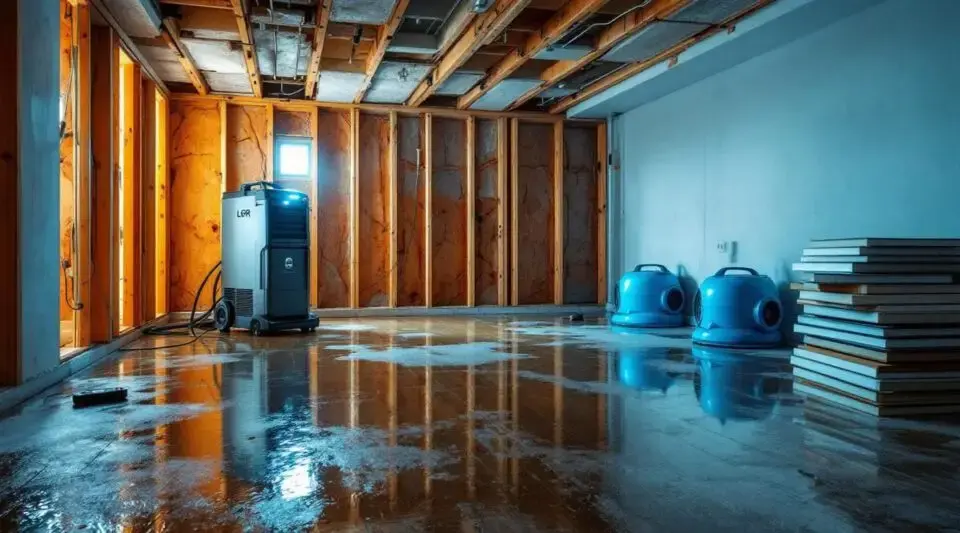
Basement Flood Cleanup in Salt Lake City Salt Lake City, UT
Fast Extraction and Structural Drying for SLC Homeowners
When the snowmelt from the Wasatch Range begins to saturate the clay-heavy soils of the Salt Lake Valley, your basement becomes the frontline in a battle against hydrostatic pressure. It doesn’t take a massive storm to cause a disaster; a simple sump pump failure or a cracked foundation wall in an older Sugar House bungalow can lead to several inches of standing water in hours. You might wake up to find your finished basement subfloor saturated or notice the distinct smell of sewage contamination after a heavy spring rain. This isn't just a mess to mop up; it’s a race against time to prevent Category 3 water from ruining your framing and inviting mold.
Our approach to basement flood cleanup focuses on more than just sucking out the water. We use thermal imaging and moisture mapping to find the water that your eyes can't see—the moisture trapped behind baseboards or soaking into the bottom of your drywall. If you live in neighborhoods like the Avenues or Rose Park, you know that older block foundations are prone to seepage that can linger long after the surface looks dry. Our team follows the IICRC S500 standard to ensure every square inch of your below-grade space is structurally dry before we even think about the reconstruction phase.
Dealing with a flooded basement is exhausting, especially when you're worried about whether your homeowners insurance covers groundwater intrusion. Most standard policies in Utah have specific exclusions, and we help you navigate that documentation process from the first hour. We provide the detailed drying logs and moisture readings that adjusters require to process a claim efficiently. Whether it's a burst pipe or a seasonal groundwater surge, we handle the heavy lifting so you can focus on getting your home back to normal. We don't just use fans; we strategically place air movers to create a vortex of dry air that pulls moisture out of porous materials like concrete and wood framing.
Waiting even twelve hours can be the difference between a simple dry-out and a full-scale mold remediation project. In the high-desert climate of Salt Lake City, you might think things dry quickly, but the stagnant air in a basement allows mold spores to colonize in as little as 24 to 48 hours. We prioritize rapid standing water extraction to break that cycle immediately. By the time we leave, your basement won't just look dry; it will be verified dry through scientific moisture readings, giving you the confidence to rebuild without fear of hidden rot.
Our licensed operators handle basement flood cleanup in salt lake city with upfront pricing, fully insured equipment, and 24/7 availability throughout Salt Lake City, UT.
Basement Flood Cleanup in Salt Lake City Salt Lake City, UT
Protecting Your Home’s Foundation and Your Family’s Health
The primary benefit of professional Basement Flood Cleanup is the preservation of your home’s structural integrity against the relentless hydrostatic pressure common in Salt Lake City. When groundwater surges from the Wasatch Range during the spring melt, it doesn't just sit on the floor; it forces its way into concrete block seepage and saturates the very footings of your house. By choosing our team of experienced technicians, you ensure that standing water extraction happens before the liquid can wick up into the drywall or compromise your subfloor saturation levels. We don't just pump out the visible puddles; we address the hidden moisture that threatens to rot your framing from the inside out.
Beyond the physical structure, professional remediation stops the clock on mold spore count spikes that can happen within 24 to 48 hours. In the older basements of Sugar House or the Avenues, porous materials like old wood and insulation act like sponges for Category 3 water. We use moisture mapping and thermal imaging to find exactly where the water is hiding, ensuring that our air mover placement is surgical rather than guessed. This precise approach means we only remove what is truly unsalvageable, saving you the cost of a total gut job while guaranteeing that your basement is actually dry, not just dry to the touch.
-
FOUNDATION PROTECTION — We mitigate hydrostatic pressure to prevent long-term cracks in your concrete foundation walls.
-
PRECISION DRYING — Our crew uses thermal imaging to locate trapped moisture behind finished walls without unnecessary demolition.
-
MOLD PREVENTION — Rapid dehumidification drops the humidity levels fast enough to stop mold spores from colonizing your subfloor.
-
INSURANCE ACCURACY — We provide the detailed moisture mapping and IICRC-standard documentation your adjuster needs for a smooth claim.
-
SEWAGE SANITIZATION — For backups, we apply antimicrobial treatments to ensure your living space is biologically safe for your family.
Basement Flood Cleanup in Salt Lake City Salt Lake City, UT
Why Salt Lake City Homeowners Trust Hal's Water Damage Restoration for Basement Flood Cleanup
When your basement fills with water, you aren't just looking for a pump; you're looking for a team that understands the unique geology of the Salt Lake Valley. Hal's Water Damage Restoration is a locally owned and operated outfit, meaning we don't answer to a corporate office in another time zone. We know how the spring snowmelt from the Wasatch Range puts immense hydrostatic pressure on older foundations in Sugar House and the Avenues. Unlike national franchises that apply a one-size-fits-all drying plan, we tailor our extraction and dehumidification strategies to the specific moisture levels and clay-heavy soil conditions found in Utah homes.
Our technicians are more than just laborers; they are IICRC-certified specialists who follow the strict S500 standards for professional water restoration. We use advanced tools like thermal imaging cameras to find hidden moisture behind drywall and under subfloors that a DIY shop-vac approach simply cannot reach. By choosing Hal's Water Damage Restoration, you are ensuring that Category 3 sewage or groundwater is handled with the proper antimicrobial treatments and moisture mapping required to prevent long-term mold issues. We prioritize saving your finished basement materials whenever possible, using high-velocity air movers and industrial-grade LGR dehumidifiers to pull deep-seated dampness from the framing.
We also take the administrative burden off your shoulders during a crisis. Navigating homeowners insurance in Utah can be tricky, especially when determining if a loss was caused by a burst pipe or groundwater seepage. Our crew documents every step of the process with the detailed moisture logs and photo evidence that adjusters require. We work directly with your carrier to streamline the claim, ensuring you get the coverage you're entitled to without the typical back-and-forth headaches. When you call our team of experienced technicians, you get a direct line to the people doing the work, not a distant call center.
LOCALLY OWNED & OPERATED
Dispatchers and drivers who know your community.
GPS-TRACKED FLEET
Real-time ETAs and the closest available truck.
LICENSED PROFESSIONALS
Fully insured operators trained for safe recovery.
UPFRONT PRICING: Clear quotes before our truck rolls
no surprise fees.
Basement Flood Cleanup in Salt Lake City Salt Lake City, UT
Basement Flood Cleanup: Frequently Asked Questions
Basement Flood Cleanup in Salt Lake City Salt Lake City, UT
Salt Lake City Basement Flood Remediation
Ignoring even a small amount of water in your basement is a recipe for long-term structural instability and health hazards. In Salt Lake City, we often see homeowners wait, thinking a few inches of groundwater from a Wasatch snowmelt surge will just dry out on its own. It won't. That standing water is often under significant hydrostatic pressure, pushing against your foundation and seeping into the pores of your concrete block walls. Without professional standing water extraction, that moisture stays trapped, leading to a slow breakdown of your home's skeletal integrity and the eventual failure of your vapor barrier.
Beyond the visible puddles, the real danger lies in what our thermal imaging cameras find behind the drywall. Subfloor saturation is a silent killer for finished basements in neighborhoods like Sugar House or the Avenues. If you have Category 3 water—which includes most groundwater intrusion or sump pump failure scenarios—the bacterial risk is immediate. We use moisture mapping to track exactly how far the dampness has traveled through the materials. Without this data, you’re just guessing, and a high mold spore count is almost guaranteed within 48 to 72 hours of the initial flood event.
Long-term neglect also invites efflorescence, that white, powdery salt deposit you see on masonry, which signals that water is actively dissolving the minerals in your foundation. Over time, this weakens the very base of your property. Our experienced technicians understand that proper dehumidification and strategic air mover placement are the only ways to protect your investment. In Utah, where standard homeowners insurance often excludes groundwater unless you have a specific rider, the cost of waiting far outweighs the price of immediate, professional remediation. We focus on getting the space bone-dry before secondary damage can double your repair bill.
Our Services
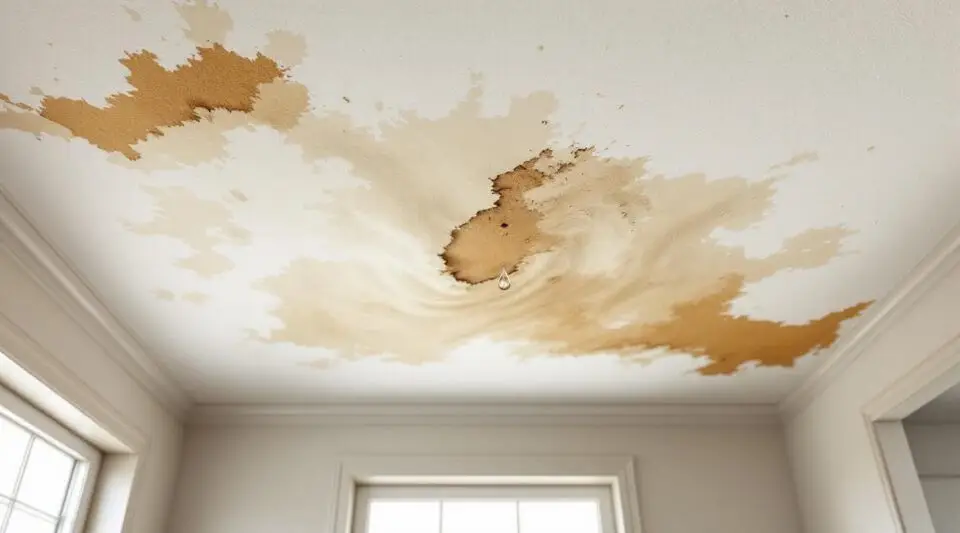
Ceiling Water Damage Repair in Salt Lake City
Seeing a dark, damp circle spread across your ceiling is a sinking feeling for any homeowner.
View Service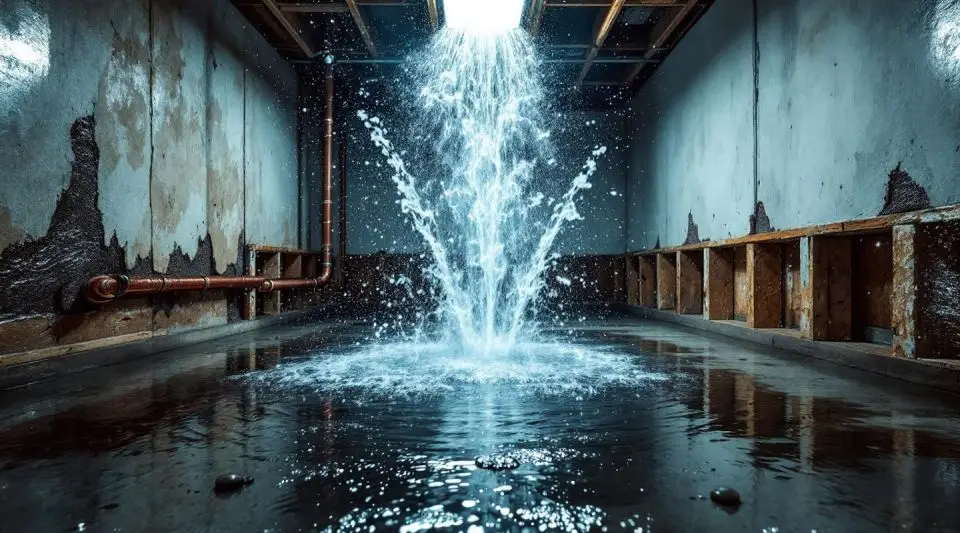
Emergency Burst Pipe Water Damage Restoration
When the temperature in the Salt Lake Valley drops below twenty degrees in the dead of winter, your home’s plumbing is under immense pressure.
View Service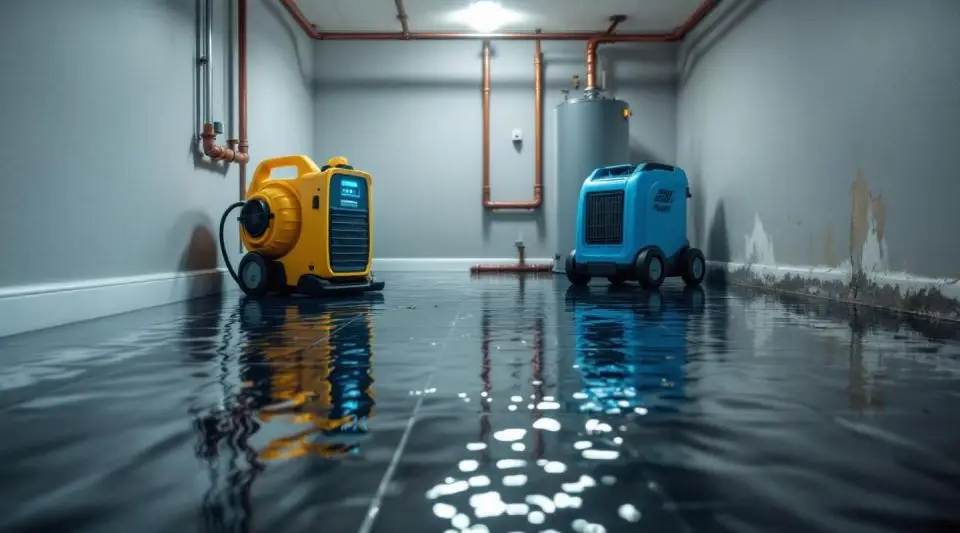
Emergency Water Damage Repair in Salt Lake City
When a pipe bursts in the middle of a freezing January night in the Avenues, you don't have time to wait for a call back.
View Service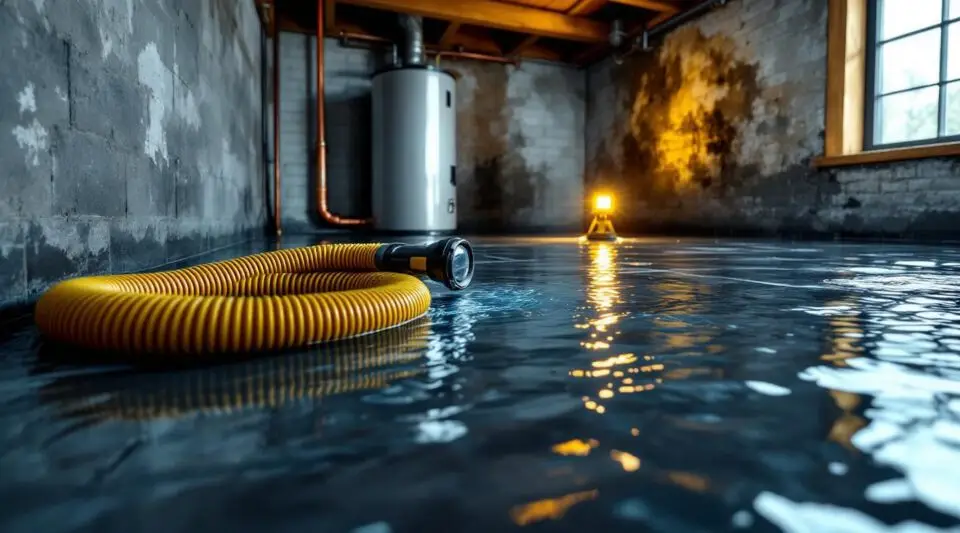
Home Water Removal & Emergency Extraction in Salt Lake City
Finding standing water in your Salt Lake City home is a race against the clock that nobody wants to run.
View Service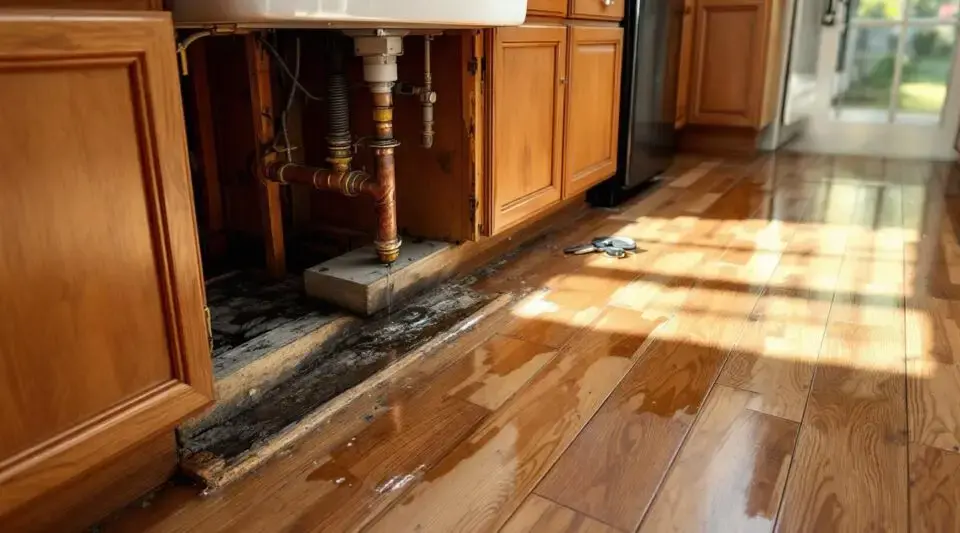
Kitchen Leak Damage Repair in Salt Lake City
A kitchen leak is never just a puddle on the linoleum.
View Service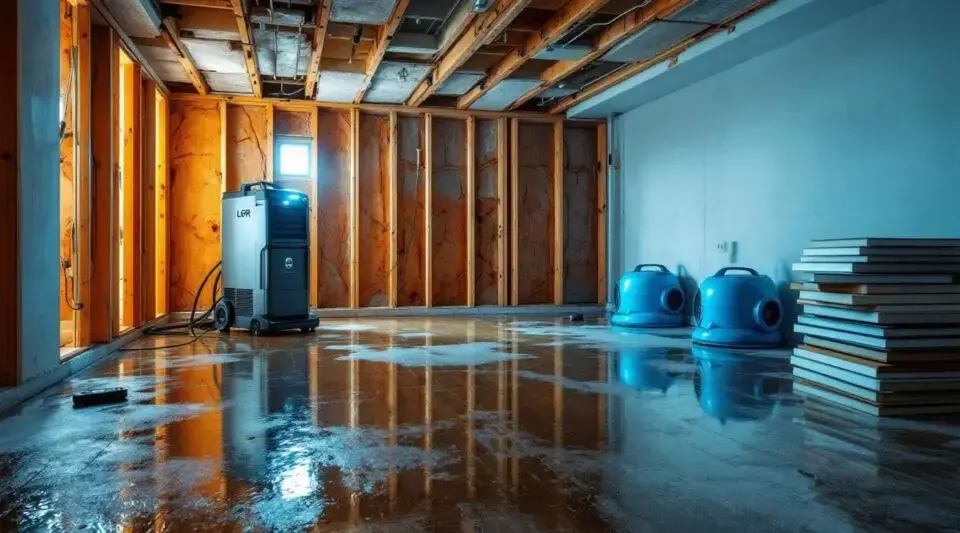
Residential Flood Restoration in Salt Lake City
When water intrudes into your Salt Lake City home, the clock starts ticking against your property's structural integrity.
View Service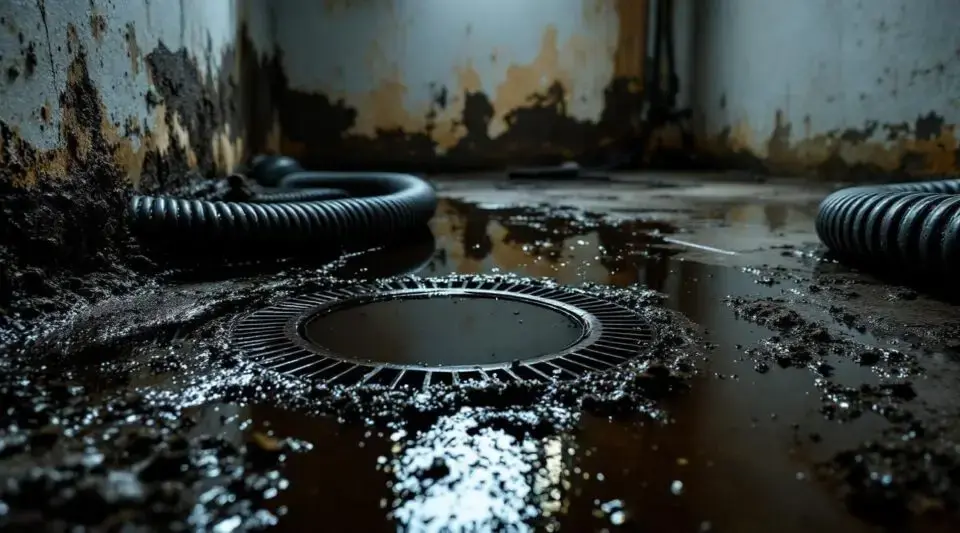
Sewage Backup Cleanup in Salt Lake City
When a municipal sewer line fails or your main lateral line collapses, the resulting mess is more than just a nuisance; it is a health crisis.
View ServiceFast Standing Water Extraction for Your Salt Lake City Basement
Don't let a flooded basement turn into a permanent mold problem. Our Salt Lake City crew is ready to handle everything from a sudden sump pump failure to heavy hydrostatic pressure seepage through your foundation walls. We focus on immediate standing water extraction to protect your subfloor and framing, ensuring the structure is stabilized before secondary damage sets in. If you're worried about how to handle the insurance paperwork or whether your home is truly dry, our team is here to walk you through every step of the recovery.
We use professional-grade dehumidification and moisture mapping to verify that every pocket of humidity is gone. Waiting even twenty-four hours can allow mold spore counts to spike, especially in the finished basements common across the Wasatch Front. Reach out now for a clear assessment and a plan to get your home back to normal.
What They Say About Us:
The crew arrived quickly at our home near Lindenwood Park and immediately started the drying process. They handled the insurance paperwork for us and restored our basement to perfect condition in no time.
Norma
Professional Basement Flood Cleanup After My Sump Pump FailedTheir team responded to our call in the Osgood neighborhood and efficiently removed every drop of standing water. I was so impressed by how quickly they worked to prevent mold growth and put my mind at ease.
Ida
Fast Response for Basement Flood Cleanup from a Washing MachineAfter discovering a hidden leak near the NDSU campus, these professionals handled the entire drying process with great care. They were incredibly responsive and made sure every corner was moisture-free before finishing the job.
Stacy
Professional Water Damage Restoration and Basement Flood Cleanup ServicesThe staff identified mold behind our basement drywall and performed a complete cleanup that left the space smelling fresh again. They were very respectful of our property near West Acres and did a fantastic job tidying up.
Tina
Thorough Mold Remediation and Basement Flood Cleanup SupportWhen a pipe burst in our South Fargo home, this team arrived within the hour to begin extracting water and removing soaked carpets. They explained every step of the drying process and worked efficiently to protect our house from mold.
Susan
Emergency Basement Flood Cleanup After a Major Pipe Burst