Warehouse Water Damage Cleanup & Structural Drying Salt Lake City, UT
Industrial-Grade Extraction and Structural Drying for Large-Scale Facilities
When a fire sprinkler malfunctions or the spring runoff from the Wasatch Front finds its way into your loading bay, the scale of the problem is immediately different from a residential leak. You are managing thousands of square feet of concrete, sensitive inventory, and a workforce that needs a safe environment to operate. Warehouse Water Damage Cleanup isn't just about removing standing water; it's about controlling the relative humidity in a massive volume of air to prevent secondary damage to your assets.
Our approach centers on rapid commercial water extraction followed by aggressive industrial dehumidification. We don't just set up fans and hope for the best. We use moisture mapping and subfloor moisture readings to create a data-driven drying plan. This is especially important in Salt Lake City, where the Great Salt Lake basin’s soil conditions can affect how moisture interacts with your concrete slab. If the slab isn't dried to the proper dry standard, you risk long-term issues like efflorescence or the failure of expensive epoxy floor coatings.
We also prioritize inventory loss assessment and the protection of your racking systems. Water trapped inside the hollow uprights of warehouse racks can cause internal corrosion that compromises structural integrity over time. Our experienced technicians use thermal imaging inspection to identify these hidden risks without needing to dismantle your entire storage setup. We follow the IICRC S500 standard to ensure every step of the restoration is documented for your insurance carrier, helping to smooth out the claims process.
Time is your biggest enemy when a large-loss restoration event occurs. Within 48 hours, mold spores can begin to colonize damp drywall or cardboard packaging. By deploying high-capacity desiccant dehumidifiers early, we can often save inventory that would otherwise be destined for a landfill. We work closely with facility managers across Salt Lake City to ensure that the cleanup process interferes as little as possible with your daily logistics and shipping schedules.
Handling category 3 water intrusion, such as a sewage backup or contaminated floodwater, requires specialized hazmat protocols to keep your facility compliant with local health standards. We manage the entire scope, from the initial standing water removal to the final sanitization of the affected zones. Our goal is to provide a clear, documented path to recovery so you can focus on getting your operations back to full capacity.
Our licensed operators handle warehouse water damage cleanup & structural drying with upfront pricing, fully insured equipment, and 24/7 availability throughout Salt Lake City, UT.
Warehouse Water Damage Cleanup & Structural Drying Salt Lake City, UT
Restoring Your Logistics and Protecting Your Assets
When a pipe bursts or a roof fails in a large-scale facility, the clock doesn't just tick; it drains your bottom line. You aren't just dealing with a few puddles; you're looking at potential warehouse rack damage and the logistical nightmare of a halted supply chain. Our approach to Warehouse Water Damage Cleanup focuses on rapid commercial water extraction to stabilize the environment before moisture migrates into your palletized goods. We use thermal imaging inspection to find water hidden behind insulation or under heavy machinery, ensuring that every square foot of your Salt Lake City facility is accounted for during the initial assessment.
Drying out a massive space requires more than just standard fans. We deploy desiccant dehumidifier units to pull deep-seated moisture from the air, which is critical for protecting sensitive inventory and preventing secondary mold growth. Because most local facilities sit on thick foundations, concrete slab drying is a major priority; without it, moisture can wick upward for weeks, ruining new flooring or causing rust on expensive racking systems. Our experienced technicians follow the IICRC S500 standard to ensure that every moisture mapping report we produce stands up to the scrutiny of your insurance adjuster. By focusing on structural drying and precise subfloor moisture readings, we help you avoid the hidden damage that often surfaces months after a poorly managed large-loss restoration.
-
Minimized Operational Downtime — We prioritize high-traffic zones like loading docks and main aisles to get your forklifts moving again.
-
Inventory Loss Mitigation — Rapid extraction and humidity control prevent moisture from wicking into cardboard packaging and sensitive electronic goods.
-
Scientific Drying Verification — Our team provides detailed moisture mapping and daily logs to prove your facility is dry to the core.
-
Structural Integrity Protection — We focus on concrete slab drying and rack base inspections to prevent long-term corrosion or foundation issues.
-
Insurance Claim Support — Comprehensive documentation of the inventory loss assessment helps streamline the reimbursement process with your carrier.
Warehouse Water Damage Cleanup & Structural Drying Salt Lake City, UT
Why Salt Lake City Logistics Managers Trust Hal's Water Damage Restoration for Warehouse Water Damage Cleanup
Choosing the right restoration partner for a commercial facility isn't just about who has the most trucks; it’s about who understands the high stakes of industrial downtime. At Hal's Water Damage Restoration, we specialize in large-loss scenarios that would overwhelm a standard residential crew or a general break-fix shop. Our team is locally owned and operated right here in the Salt Lake Valley, meaning we aren't waiting for a corporate office to authorize a dispatch when your loading dock is under six inches of water. We understand how the local climate, from heavy Wasatch snowmelt to sudden monsoon-pattern storms, affects warehouse structures and concrete slab drying timelines.
What truly sets Hal's Water Damage Restoration apart is our rigorous adherence to the IICRC S500 standard for professional water damage restoration. We don't just surface-dry the floor; we use thermal imaging and subfloor moisture readings to ensure that water isn't trapped under racking systems or inside wall cavities where it can cause structural rot or mold. Our experienced technicians are trained to handle Category 3 water intrusion and sewage backups with full OSHA compliance, protecting your staff and your inventory. We provide detailed moisture mapping and daily drying logs, giving your insurance adjuster the exact documentation needed to process your claim without the typical back-and-forth delays.
LOCALLY OWNED & OPERATED
Dispatchers and drivers who know your community.
GPS-TRACKED FLEET
Real-time ETAs and the closest available truck.
LICENSED PROFESSIONALS
Fully insured operators trained for safe recovery.
UPFRONT PRICING: Clear quotes before our truck rolls
no surprise fees.
Warehouse Water Damage Cleanup & Structural Drying Salt Lake City, UT
Common Questions About Warehouse Water Damage Cleanup
Warehouse Water Damage Cleanup & Structural Drying Salt Lake City, UT
Warehouse Water Damage Cleanup
When a pipe bursts or a flat roof fails in a Salt Lake City industrial park, the clock doesn't just tick; it screams. Every inch of standing water removal you delay represents a direct threat to your bottom line and your shipping schedule. In a high-volume warehouse, water isn't just a mess—it’s a logistical shutdown. We’ve seen how quickly category 3 water intrusion from a municipal main break can contaminate thousands of square feet of inventory, turning a manageable leak into a total loss. You need commercial water extraction that happens before the moisture wicks into your pallet racking or compromises the structural integrity of your loading docks.
Beyond the visible puddles, the real danger lurks in the porous materials of your facility. Concrete might look solid, but it acts like a sponge, pulling moisture deep into the pores where it can cause delamination of floor coatings or long-term mold growth. Our experienced technicians use moisture mapping and thermal imaging inspection to find where water has migrated under the slab or inside wall cavities. Following the IICRC S500 standard isn't just about checking boxes; it’s about ensuring that industrial dehumidification is applied correctly so your subfloor moisture readings return to safe levels before you resume heavy forklift traffic.
If you ignore the need for professional structural drying, you’re essentially inviting secondary damage that insurance adjusters may later dispute. A proper inventory loss assessment requires meticulous documentation from the moment we arrive on-site. We use desiccant dehumidifiers specifically designed for large-loss restoration to pull humidity out of the air faster than standard units ever could. This rapid stabilization prevents warehouse rack damage from rust and keeps your facility’s air quality safe for your operations staff. In the Salt Lake Valley, where snowmelt from the Wasatch Front can overwhelm drainage systems in hours, having a proactive plan isn't a luxury—it’s a necessity for business continuity.
Our Services
Commercial Pipe Burst Repair in Salt Lake City
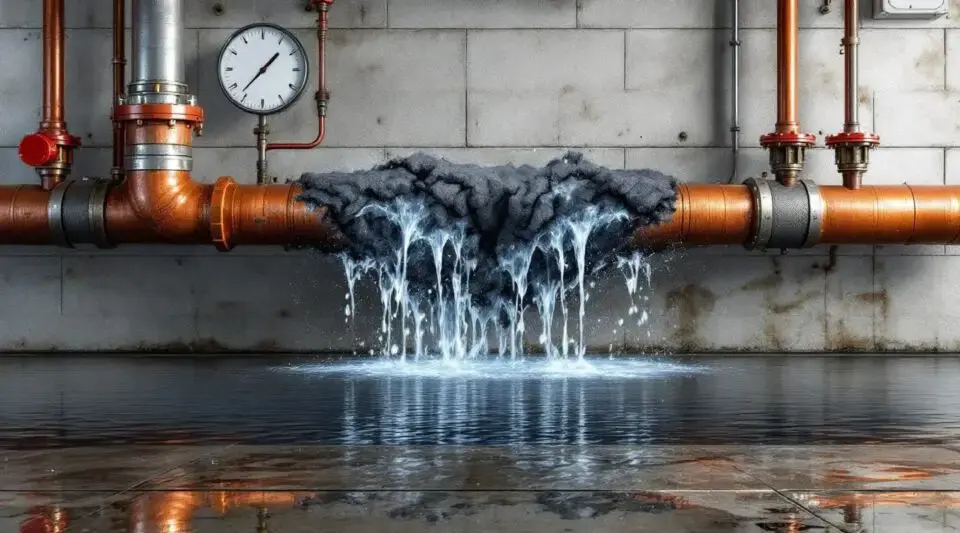
When a pressurized supply line failure occurs in a Salt Lake City office park or retail center, the sheer volume of water released is often staggering.
View Service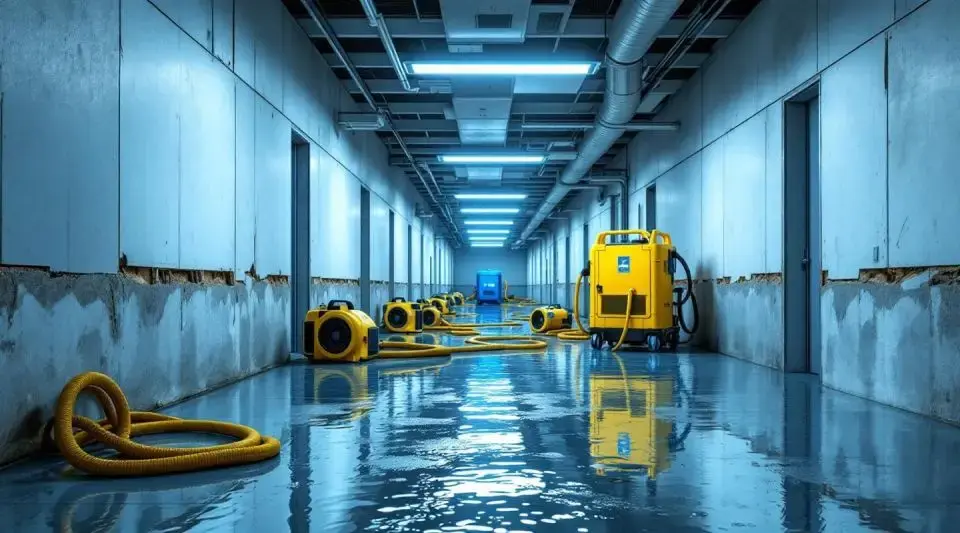
Commercial Water Damage Restoration in Salt Lake City
When a water main breaks in the Salt Lake City Central Business District or a flat roof fails during a heavy snowmelt, your priority is stopping the clock on business interruption.
View Service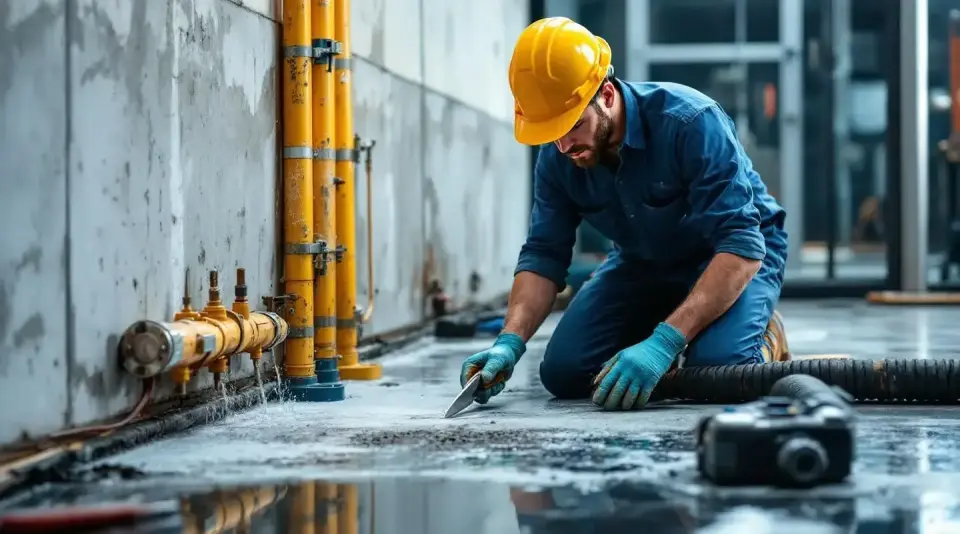
Hotel Water Damage Restoration in Salt Lake City
Imagine a pipe burst on the fourth floor at 2 AM.
View Service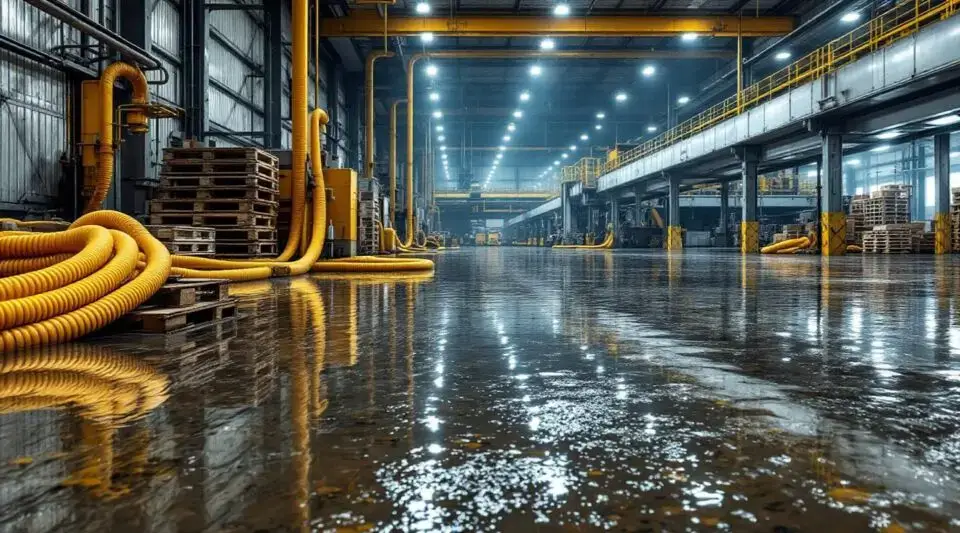
Industrial Flood Cleanup & Large-Loss Water Extraction
When a large-loss water event hits your facility, the clock doesn't just tick—it screams.
View Service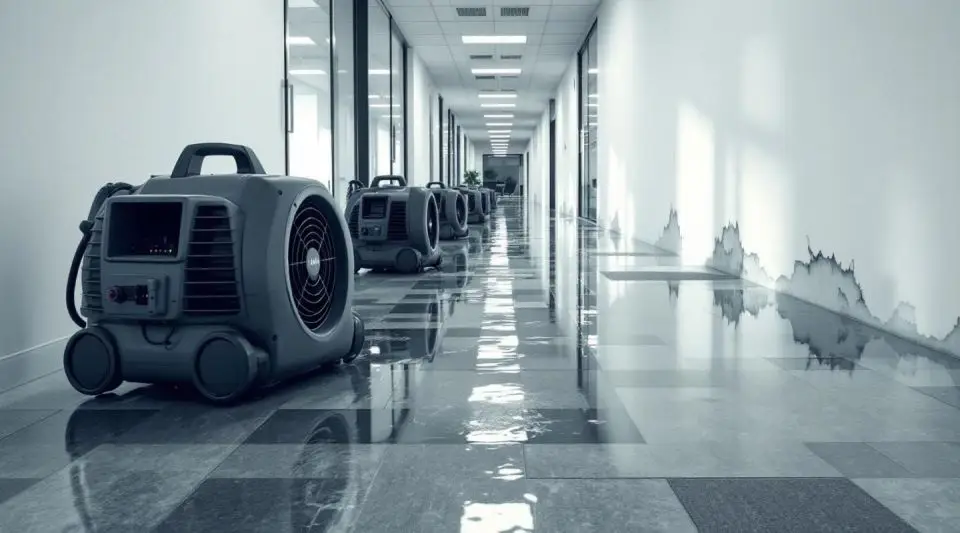
Office Building Flood Repair in Salt Lake City
When a main supply line fails on the fourth floor of a Salt Lake City office complex, the clock doesn't just start ticking on the building materials—it starts ticking on your revenue.
View Service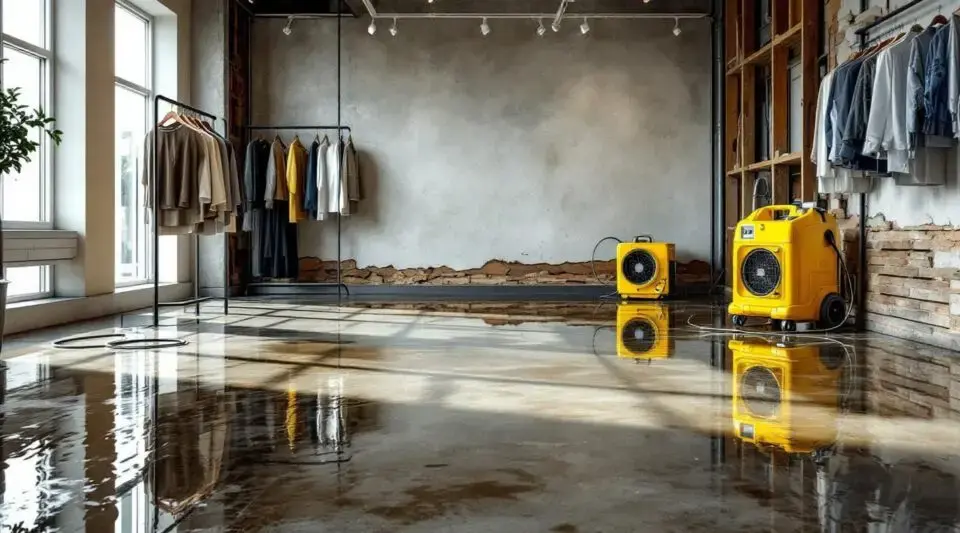
Retail Store Flood Recovery & Water Extraction
When a pipe bursts in the ceiling of your Salt Lake City boutique or a sudden spring snowmelt flood pushes through the front door, the clock starts ticking against your bottom line.
View Service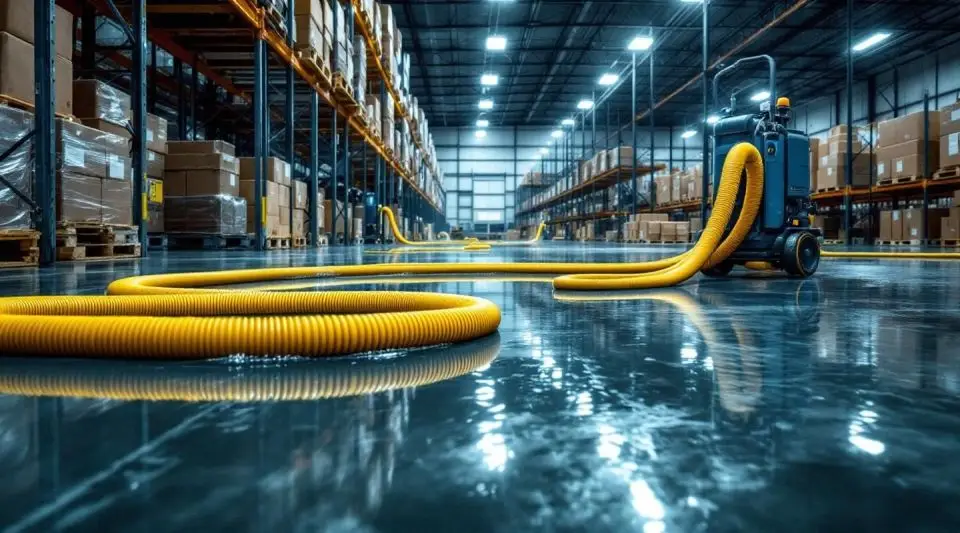
Warehouse Water Extraction in Salt Lake City
When a main line bursts or a roof drain fails in a Salt Lake City industrial park, the clock starts ticking against your inventory and your shipping schedule.
View ServiceGet Your Warehouse Back Online Before the Next Shift
Standing water in a loading dock or between high-density racking isn't just a mess; it’s a ticking clock for your inventory and your bottom line. Every hour that moisture sits on a concrete slab or wicks into palletized goods, the risk of structural compromise and mold growth climbs. You need a team that understands the scale of industrial losses and has the heavy-duty desiccant dehumidifiers to handle it.
Whether you're dealing with a burst fire sprinkler line or spring runoff flooding your facility in Salt Lake City, our experienced technicians are ready to deploy. We provide the detailed moisture mapping and documentation your insurance adjuster requires to move your claim forward without the typical friction. Don't let a temporary flood turn into a permanent loss of revenue.
What They Say About Us:
The team arrived at my property near Liberty Park and immediately utilized advanced equipment to handle the unexpected water damage. I was impressed by their ability to adapt to challenges and their thorough focus on preventing long-term mold issues.
Lee
Professional Warehouse Water Damage Cleanup and Structural DryingAfter the storm hit our neighborhood near Sugar House, their crew arrived faster than expected to pump out the standing water. They were incredibly organized and walked us through every step of the extraction and drying process to put our minds at ease.
Mary
Emergency Flooded Basement and Warehouse Water Damage CleanupThe technicians arrived quickly at my home near Temple Square to assess the storm damage and begin the drying process immediately. Their communication was excellent throughout the project, and the fair, clear pricing made a stressful situation much easier to manage.
Gloria
Thorough Storm Restoration and Warehouse Water Damage CleanupWhen we discovered water behind our walls near the University of Utah, this team performed a detailed survey and started structural drying right away. They did a fantastic job explaining the mold remediation process and ensured our property was handled with great care.
Brenda
Expert Structural Drying and Warehouse Water Damage CleanupFollowing a pipe burst near the Rose Park area, the crew from Hal's arrived quickly to prevent further damage and began the extraction process. Their expertise was evident as they monitored the drying progress daily to ensure everything was completely restored before finishing the job.
Patricia
Reliable Pipe Burst and Warehouse Water Damage Cleanup