- (385) 324-3870
- 756 South Redwood Road, Salt Lake City, UT 84104
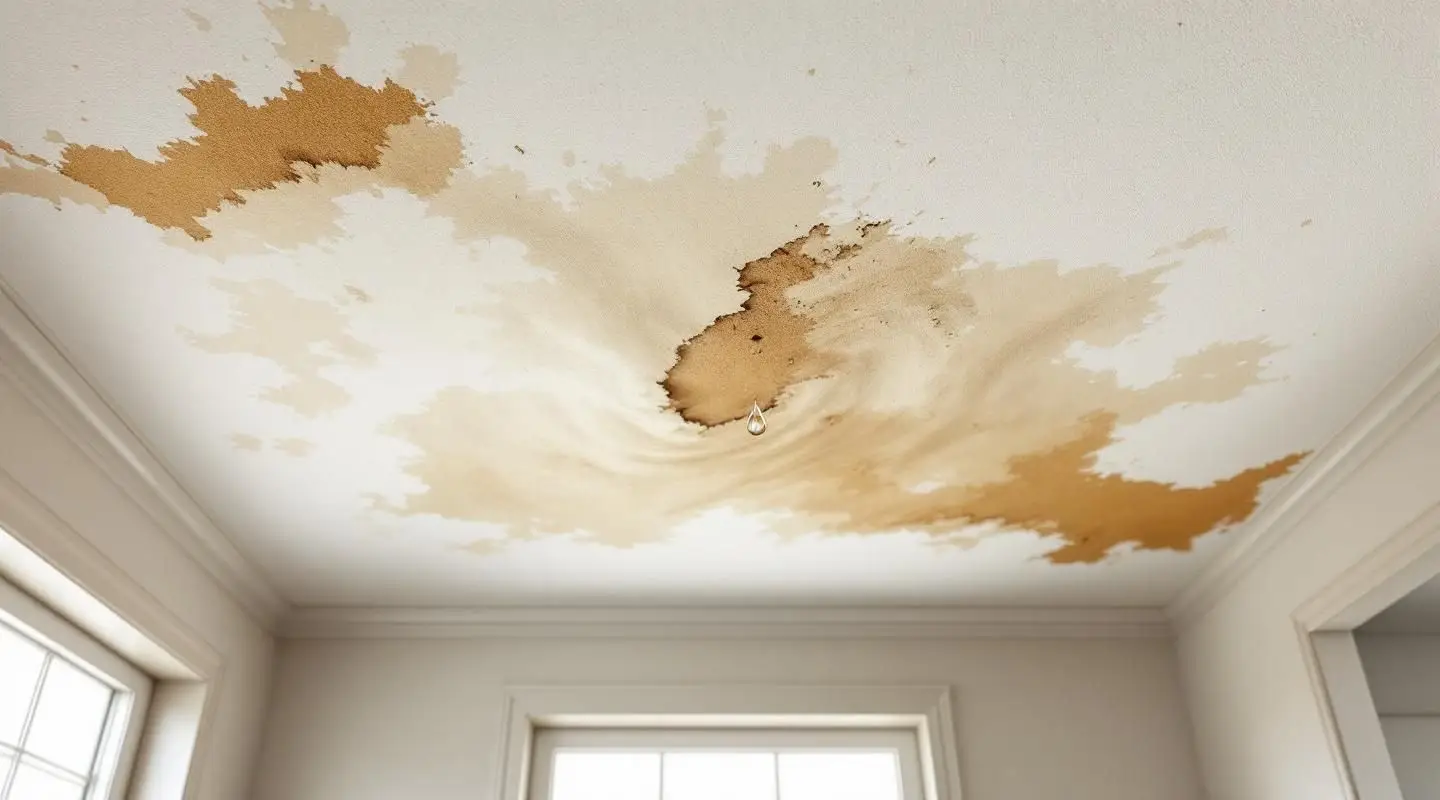
Seeing a dark, damp circle spread across your ceiling is a sinking feeling for any homeowner. Whether it’s a slow attic leak intrusion or a sudden bathroom overflow from upstairs, the damage rarely stays on the surface. In Salt Lake City, we often see these issues spike during the late winter when ice dams force meltwater under shingles and directly into your ceiling joists. If you notice paint bubbling or a heavy, sagging section of drywall, the clock is already ticking against structural failure and hidden mold growth.
Our approach at our team focuses on more than just patching a hole. We look for the root cause—be it roof deck saturation or a burst pipe—to ensure you aren’t just covering up a recurring problem. In older neighborhoods like Sugar House or the Avenues, where plaster ceilings are common, the weight of trapped water can lead to a sudden ceiling collapse risk. We use moisture mapping to find exactly where the water traveled, often discovering it has migrated far beyond the visible stain and into the wall cavities.
Effective restoration follows the IICRC S500 standard, which means we don’t just “air it out” and hope for the best. We use professional dehumidification equipment and high-velocity air movers to pull moisture from the structural framing above the drywall. This prevents secondary water damage, which can warp your joists or ruin the R-value of the insulation in your attic. By the time we finish, your ceiling isn’t just dry; it’s structurally sound and ready for a seamless texture match and repaint that makes the accident disappear.
Many residents in the areas we serve worry about the cost of a full drywall replacement versus a simple patch. We provide a transparent on-site estimate that includes thermal imaging inspection results, so you see exactly what our sensors are detecting behind the paint. This data is also vital for your insurance claim, providing the documented proof adjusters need to approve the work. Don’t let a small brown spot turn into a major mold remediation project by waiting for the drywall to fall.
When you notice a brown stain or paint bubbling on your ceiling, it’s rarely just a cosmetic issue. In Salt Lake City, where late-winter ice dams often force meltwater into attic spaces, that moisture can sit on top of your drywall for days before you see a single drop. The primary benefit of professional Ceiling Water Damage Repair is the immediate mitigation of a ceiling collapse risk. Wet drywall loses its structural integrity quickly; a single square foot of saturated material can weigh several pounds, putting immense strain on the fasteners holding it to the joists. By bringing in experienced technicians early, you prevent a localized leak from turning into a catastrophic overhead failure that could damage your furniture or, worse, injure your family.
Beyond structural safety, professional restoration ensures that the hidden environment behind the plaster or drywall is truly dry. We use moisture mapping and thermal imaging inspection to find water that the naked eye misses. This is critical because Utah’s dry air can often make the surface feel dry to the touch while the insulation and roof deck saturation remain high. Following the IICRC S500 standard, we use industrial dehumidification equipment to pull deep-seated moisture out of the framing. This prevents the secondary water damage that often plagues DIY repairs—like mold behind drywall or persistent musty odors that linger long after the leak is patched. You aren’t just getting a new coat of paint; you’re getting a scientifically verified dry structure that protects your property value.
STRUCTURAL STABILITY — We identify sagging drywall and reinforce or replace compromised panels to eliminate the danger of a sudden ceiling collapse.
MOLD PREVENTION — By addressing moisture trapped in insulation and wall cavities, we stop mold growth before it can impact your indoor air quality.
PRECISION MAPPING — Our team uses thermal imaging to track attic leak intrusion paths, ensuring no pockets of water are left to rot your ceiling joists.
INSURANCE DOCUMENTATION — We provide the moisture readings and photo evidence required by adjusters to help streamline your water damage claim.
SEAMLESS FINISHING — From matching complex popcorn textures to smooth plaster, we ensure the repaired area blends perfectly with your existing ceiling.
If you notice your ceiling drywall bowing downward or see visible sagging drywall, the risk of a sudden collapse is immediate. Water is incredibly heavy; a saturated sheet of gypsum board can weigh hundreds of pounds and let go without warning. Look for heavy paint bubbling or moisture dripping from a central point. In Salt Lake City, we often see this after heavy monsoon storms or when an attic leak intrusion goes unnoticed for days. Our experienced technicians use thermal imaging inspection to see exactly where the water is pooling above the surface. If the ceiling feels soft or ‘spongy’ to the touch, you must clear the room and call for professional Ceiling Water Damage Repair immediately to prevent structural failure or injury.
The cost for Ceiling Water Damage Repair in Salt Lake City varies based on the ‘Class’ of water damage and the specific materials involved. A simple water stain removal on a small patch of modern drywall is significantly less expensive than a full restoration involving saturated blown-in insulation and multiple layers of material. In historic neighborhoods like Sugar House or the Avenues, older plaster ceilings require specialized labor and different techniques compared to standard drywall replacement. Generally, pricing is driven by the square footage of the affected area and whether we need to use professional dehumidification equipment to save the structural joists. We provide a free on-site estimate that includes moisture mapping so you aren’t guessing about the final bill.
Most homeowner’s insurance policies cover Ceiling Water Damage Repair if the cause was ‘sudden and accidental,’ such as a burst pipe or a sudden roof leak from a Salt Lake Valley thunderstorm. However, they often deny claims for long-term seepage or lack of maintenance. To ensure your claim is successful, our team documents every step of the mitigation according to the IICRC S500 standard. We provide the precise moisture readings and photo evidence that insurance adjusters require for processing. It is vital to start the structural drying process quickly to prevent secondary water damage, which insurance companies may refuse to pay for if they deem the homeowner was negligent in their response time.
Drying out a water-damaged ceiling usually takes between three to five days, depending on the extent of the roof deck saturation and the type of insulation present in the attic. We don’t just wait for the surface to feel dry; we use scientific structural drying protocols to pull deep-seated moisture out of the hidden wooden framing. If you live in the Salt Lake City area, you can check the Utah Division of Occupational and Professional Licensing to ensure your restoration contractor is properly licensed for this type of structural work. Using high-velocity air movers and LGR dehumidifiers is the only way to ensure mold doesn’t grow behind the drywall in the dark, damp cavity above your living space.
Simply painting over a brown water stain is a common mistake that often leads to expensive mold remediation later. Those unsightly stains are usually mineral deposits left by Salt Lake City’s hard water, but they also signal that the material’s structural integrity may be compromised. If you do not address the attic leak intrusion or the burst pipe first, the moisture trapped behind the new coat of paint will cause paint bubbling and eventually lead to mold behind drywall. For a proper Ceiling Water Damage Repair, we ensure the substrate is below 15% moisture content using moisture mapping before any texture matching or repainting begins. This professional approach prevents the patch from failing or the stain from bleeding back through the finish.
Don’t wait for the drip to turn into a downpour. If you notice sagging drywall or paint bubbling after a heavy Salt Lake City storm, the weight of saturated insulation could be pushing your structure to its limit. Our experienced technicians use moisture mapping to find exactly where the water is hiding before mold takes hold.
Contact Hal’s Water Damage Restoration today for a thorough inspection and professional water stain removal. We follow the IICRC S500 standard to ensure your home is dried correctly, preventing secondary damage and helping you navigate the insurance billing process with clear documentation.
Choosing the right team for Ceiling Water Damage Repair in Salt Lake City means the difference between a cosmetic patch and a permanent structural fix. At Hal’s Water Damage Restoration, we don’t just paint over brown water stains; we address the root cause, whether it’s a winter ice dam or a hidden attic pipe burst. As a locally-owned company, we understand the specific challenges of Utah’s climate, where dry air can trick you into thinking a ceiling is dry while the insulation above remains saturated. Our experienced technicians use thermal imaging to map moisture levels, ensuring every layer of drywall and framing meets the IICRC S500 standard before we ever start the finishing work.
Unlike national franchises or general handymen, Hal’s Water Damage Restoration focuses exclusively on the science of drying and restoration. We are fully licensed through the Utah Division of Occupational and Professional Licensing (DOPL), giving you the security that your home is in professional hands. We prioritize transparency, providing detailed moisture readings and photo documentation that your insurance adjuster needs for a successful claim. From matching complex ceiling textures in older Sugar House bungalows to full structural drying in modern builds, we provide a level of precision that a break-fix shop simply cannot match. We stand behind our work with a satisfaction guarantee, ensuring your ceiling is safe, dry, and visually seamless.
Ignoring a ceiling leak is a gamble with your property’s value and your family’s safety. In Salt Lake City, we often see late-winter ice dams push meltwater under shingles, leading to heavy roof deck saturation that eventually finds its way into your living room. When you spot paint bubbling or a yellow ring, the drywall is already losing its structural integrity. Sagging drywall isn’t just an eyesore; it’s a warning sign of a potential ceiling collapse risk that can happen without further warning. Our experienced technicians understand that gravity is your enemy here, as every gallon of water trapped in the attic insulation adds hundreds of pounds of stress to the framing.
The damage you see is rarely the full story. Moisture mapping and thermal imaging inspection often reveal that an attic leak intrusion has spread far beyond the visible water stain removal area. Because Utah’s climate is naturally dry, the surface of your ceiling might feel dry to the touch while the space between floors remains a swamp. This trapped moisture creates the perfect environment for mold behind drywall to thrive, often within just 48 hours. Professional restoration ensures we address this secondary water damage before it compromises the air quality of your entire home or requires a much more invasive drywall replacement.
We follow the IICRC S500 standard to ensure your home is returned to a pre-loss condition safely. This involves more than just a patch and paint job. True restoration requires high-grade dehumidification equipment and targeted structural drying to pull deep-seated moisture out of the joists and subflooring above. Whether you’re dealing with a burst pipe in the Avenues or monsoon-driven roof leaks in the valley, skipping the professional drying phase almost guarantees a return of those brown mineral stains or, worse, structural rot. Getting it right the first time prevents the need for a total reconstruction down the road.
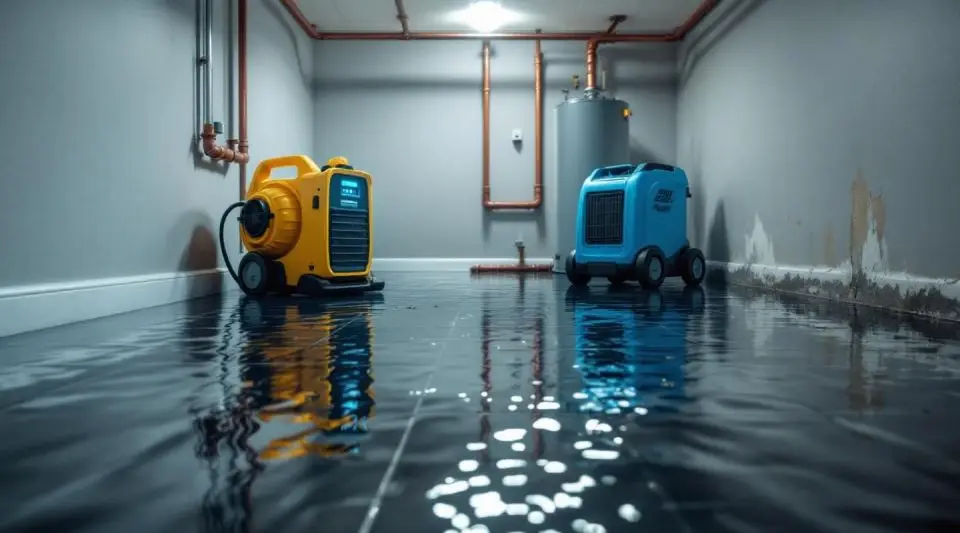
When a pipe bursts in the middle of a freezing January night in the Avenues, you don't have time to wait for a call back.
Learn more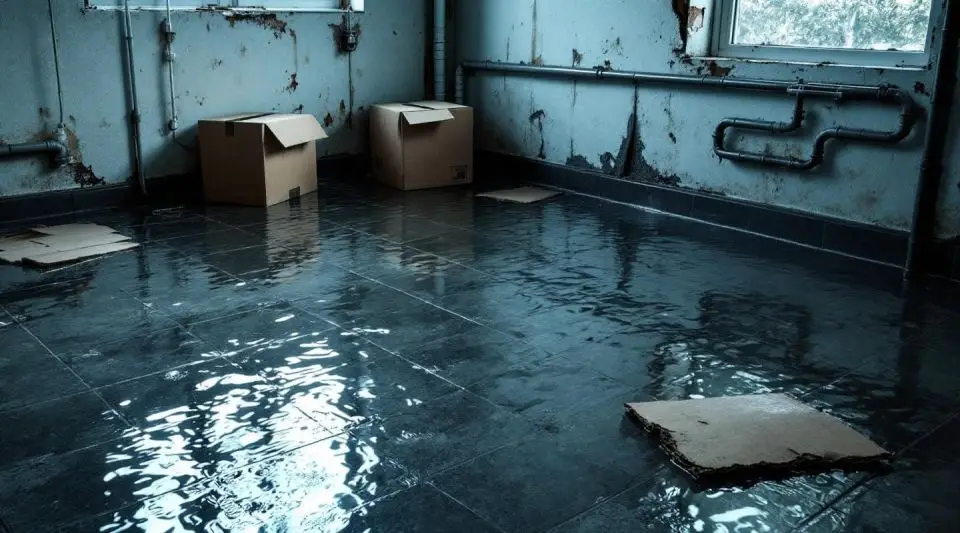
When the snowmelt from the Wasatch Range begins to saturate the clay-heavy soils of the Salt Lake Valley, your basement becomes the frontline in a battle against hydrostatic pressure.
Learn more
When the temperature in the Salt Lake Valley drops below twenty degrees in the dead of winter, your home’s plumbing is under immense pressure.
Learn more
When a municipal sewer line fails or your main lateral line collapses, the resulting mess is more than just a nuisance; it is a health crisis.
Learn more
Finding standing water in your Salt Lake City home is a race against the clock that nobody wants to run.
Learn more
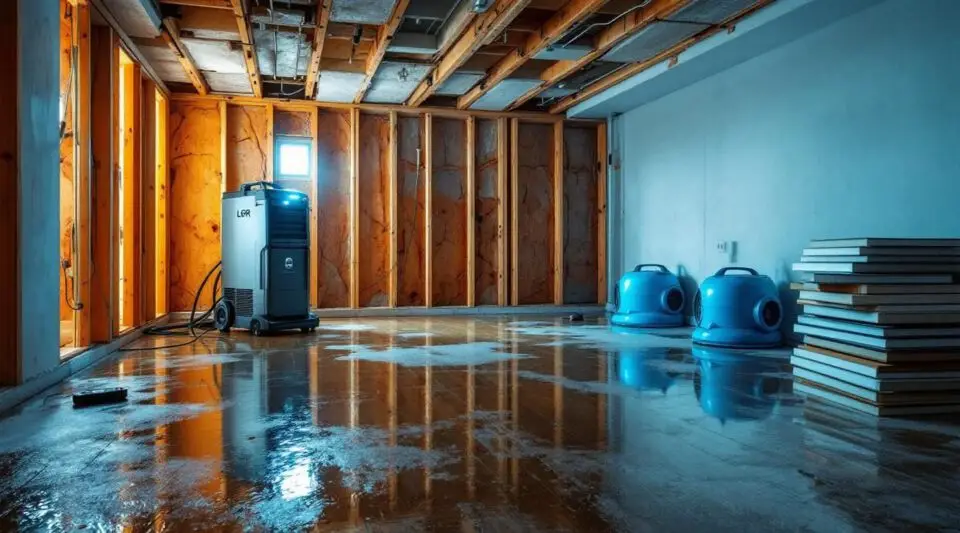
When water intrudes into your Salt Lake City home, the clock starts ticking against your property's structural integrity.
Learn moreAs soon as the pipe broke, I phoned Hal's Water Damage Restoration. They came quickly and began to work straight away, stopping any future problems. I liked that they were honest about what they were doing and that they were constantly around to keep an eye on things. They took out the water quickly and completely and dried everything off. It was evident that they knew a lot about what they were doing. Everything went smoothly, even though there were a lot of people present. They made sure everything was dry again before they left. There were times when it was hard, but most of the time it was easy and safe.
Patricia Norman
We had water damage behind our walls and phoned this business for aid. Their people surveyed the area in depth, removed the damaged items and quickly commenced the process of structural drying. They also performed an excellent job describing the process of mold remediation. Great work and service.
Brenda Hosey
We had a flood in our basement one day after a storm and needed aid immediately. I called their 24 hour water cleanup service and they were there sooner than I expected. Our staff wasted no time getting to work on the flooded basement cleanup, and they pumped out every bit of standing water so quickly. They were very thorough with their water extraction service, and explained what the drying process would entail over the course of the next few days. They also walked us through the processes of fixing flood damage so we knew what to expect. The whole experience was really professional and organized and made what could have been a very stressful situation much easier to deal with.
Mary Nelson
I didn't think the water from my washer would do as much harm as it did. The company I hired to fix the water damage got back to me straight away and started working right away. They employed sophisticated instruments to get rid of the water and put up systems to dry everything off. I loved that they didn't give up when things went wrong and had to adjust their plans. They also talked about how their process keeps mold from forming and other problems that last a long time. The workers didn't seem to be in a hurry, but they did work rapidly. Everything was dried and back to normal by the end.
Lee Brown
I saw water damage in my house after a huge storm, so I called Hal's Water Damage Restoration. The workers arrived very soon, looked at the damage, and started taking items away right away. They did a great job of drying out and fixing up my home. They did a great job, and they did it quickly and thoroughly. The communication was great; they always let me know what was going on. Prices were clear and fair. The staff was polite and knew a lot, which made a stressful situation much easier to handle. I'm quite happy with the service they gave me, and I will definitely use them again.
Gloria Johnson